Building a new home in Melbourne should be an exciting journey—watching your floor plan take shape, seeing materials arrive onsite, and imagining your life in a brand-new space. But with the excitement comes responsibility. Construction is complex, and even reputable builders can miss things as different trades come and go on the site. This is why staged inspections have become essential for Melbourne homebuyers wanting peace of mind and a well-constructed home.
Staged new home inspections are conducted by an independent new home building inspector in Melbourne who reviews the build at several key milestones. Their job is to ensure your home is built correctly, safely, and in compliance with Australian Standards, the National Construction Code (NCC), and your contract documents. This guide explains what staged inspections are, why they matter, and how they protect your investment long before you reach handover.
Staged inspections involve checking the construction at important phases of the build. Rather than only inspecting the home at completion, a new home building inspector assesses workmanship and compliance step by step. This proactive approach ensures problems are caught early—before they become expensive or difficult to fix.
Typical staged inspections in Melbourne include:
Pre-Slab Inspection
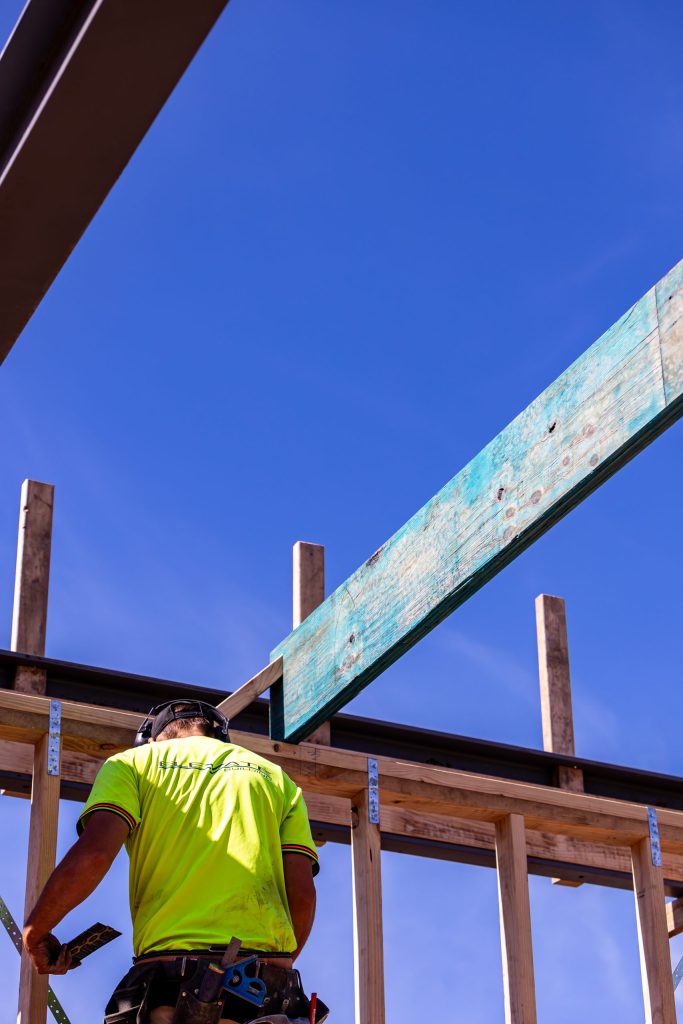
Frame Inspection
Lock-Up Inspection
Fixing/Pre-Plaster Inspection
PCI (Practical Completion Inspection)
Each stage reveals different issues, and catching them early prevents defects from being concealed as construction progresses.
The Victorian building industry is busy, fast-paced, and often under pressure. Builders juggle multiple sites, supervisors manage dozens of projects, and contractors rotate rapidly between jobs. That means issues can slip through the cracks.
Staged inspections provide:
Your inspector ensures every step meets building standards, ensuring quality doesn’t decline as timelines tighten.
Builders know your home is being watched independently, which encourages better workmanship.
Issues like incorrect waterproofing or frame defects cost far more to fix after handover than during construction.
Your inspection reports become evidence if you need to make a warranty claim in the future.
You know your home is safe, compliant, and built to last—not just built to pass.
Before concrete is poured, the inspector checks everything beneath the slab. This is crucial because once the concrete sets, defects are permanently concealed.
A pre-slab inspection assesses:
Footings and foundation preparation
Vapour barrier installation
Steel reinforcement placement
Correct trench depth and width
Drainage and termite protection
Compliance with engineering drawings
Incorrectly positioned reinforcement
Damaged membranes
Insufficient coverage around steel
Incorrect falls or grading
Missing slab rebates
These hidden errors can affect long-term structural stability. Fixing them after pouring is extremely costly, making this inspection one of the most valuable.
The frame is the skeleton of your home. A frame inspection ensures the structure is safe, compliant, and aligned before plaster goes up.
Your independent building inspector reviews:
Wall heights, plumb and straightness
Alignment of load-bearing walls
Roof truss installation
Bracing and tie-downs
Window and door openings
Structural connections
Noggins, studs, and beams
Frame layout vs plans
Bowed or leaning frames
Missing structural bracing
Over-notched studs
Incorrect joist spacing
Misaligned openings
Loose roof trusses
Once plaster is installed, fixing structural problems becomes invasive and expensive. This stage is one of the most critical for overall safety and long-term durability.
At lock-up, the home is “weatherproof.” This inspection focuses on the external structure and building envelope, ensuring the home is protected from the elements.
Your building inspector checks:
Roofing installation
Flashing and sarking
Brickwork, cladding, render, or blockwork
Window and door installation
External seals and waterproofing
Gutters, downpipes, and drainage
Insulation installation (if installed)
Leaking or incorrectly installed flashing
Gaps around windows and doors
Missing insulation
Cracking mortar joints
Poorly installed roof sheets or tiles
Melbourne’s weather can be extreme, so ensuring your home is waterproof and wind-resistant is essential at this stage.
Before walls are closed, your independent building inspector reviews all internal components, including services, waterproofing, and fixtures.
This inspection checks:
Electrical wiring layout
Plumbing rough-ins
HVAC ducting
Waterproofing membranes in wet areas
Wall and ceiling insulation
Internal framing adjustments
Window reveals and architraves
Cabinetry installation (if applicable)
Incorrectly applied waterproofing
Exposed or unsupported wiring
Plumbing not installed to depth or height
Missing insulation around penetrations
Ductwork is not properly sealed
Poor tiling preparation
Waterproofing defects are among the most expensive to rectify later—this inspection helps prevent leaks, mould, and long-term structural damage.
The final inspection before handover is the PCI. This is where the inspector conducts a detailed room-by-room assessment of your new home.
Your PCI inspection includes:
Plaster quality
Painting
Floor coverings
Cabinetry
Fixtures and fittings
Doors and windows
Tiling, grout, and silicone
Electrical fittings
Brickwork and render
Roof and gutters
External plumbing
Driveways and paths
Fencing (if included)
Paint runs, overspray, or rough patches
Scratched windows and glass doors
Poorly aligned cabinets
Uneven tiles or grout
Damaged plaster
Incorrectly installed appliances
Builders often consider these “cosmetic,” but they are essential to a high-quality finish.
Many construction defects are concealed once walls are closed. Staged inspections catch them early.
Fixing waterproofing or structural issues after handover can cost thousands.
Inspection reports form part of your evidence during any dispute or warranty claim.
Inspectors ensure builders follow NCC, Australian Standards, and engineering requirements.
A properly built home has better resale value and fewer maintenance issues.
Builder supervisors are hardworking but under pressure. They may be managing 15–40 sites at once. They work for the builder—not for you—and their job is to keep the project moving.
An independent new home building inspector in Melbourne:
Works solely in your best interest
Has no conflict of interest
Takes the time to inspect thoroughly
Documents every defect clearly
Provides unbiased professional advice
Their goal is your home—not the builder’s schedule.
Staged new home inspections are one of the smartest decisions anyone can make when building a new home in Melbourne. With so many moving parts, trades, and construction variables, having an independent expert assess your home at each stage ensures it’s built safely, professionally, and in accordance with the standards you’re entitled to.
By investing in staged inspections, you gain peace of mind, long-term quality, and confidence that your biggest investment is protected from start to finish.
Our team brings together expertise, industry knowledge, and a keen eye for detail in every inspection. With over 40 years of combined experience and a strong “client-first” approach, we deliver reports that are detailed, thorough, and built to be relied upon.
CDB-U 60327
MBAV 527519
DIP CPC 50210
DIP CPC 50308
CPPUP-M3008
CPPUP-M3010
Elevate Building is proudly powered by WordPress

