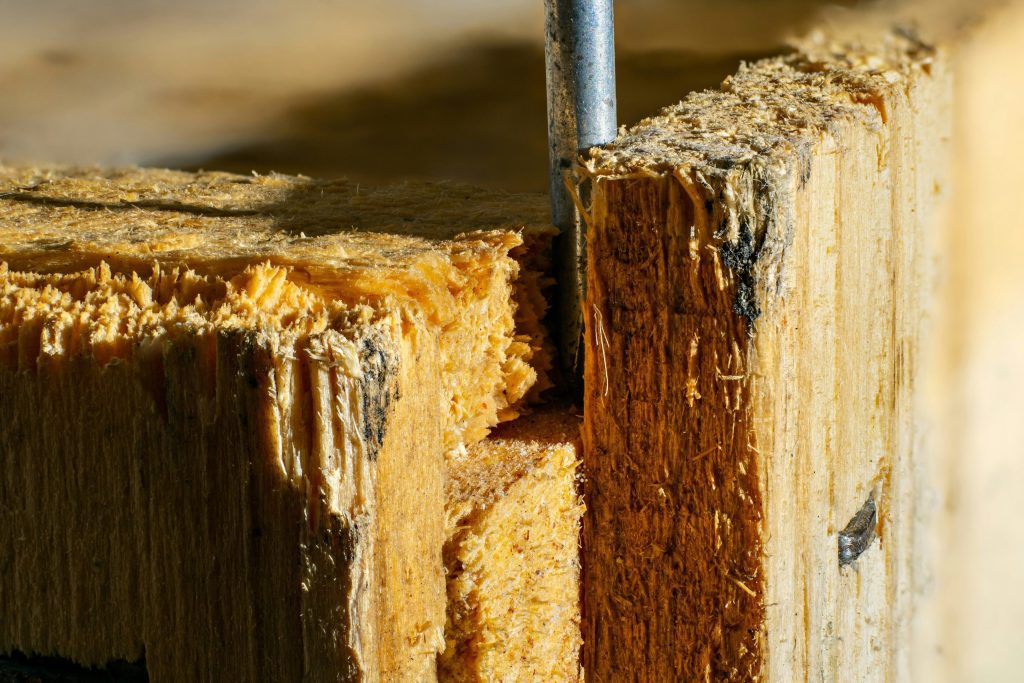
Some property issues are obvious — cracked tiles, peeling paint, or worn carpets are easy to spot during an open inspection. Others, however, are hidden behind walls, ceilings, roofs, or beneath floors. These concealed issues can be far more serious and significantly more expensive to repair.
A professional pre-purchase building inspection is designed to uncover hidden red flags before you commit to a purchase. For Melbourne buyers, where properties range from century-old homes to newly renovated townhouses, an inspection provides critical insight into whether a property is a sound investment or a future financial headache. Experienced inspectors, such as those at Elevate Building Inspections, know where to look and which early warning signs should never be ignored.
One of the most common — and concerning — red flags identified during Melbourne building inspections is structural movement.
Melbourne’s reactive clay soils expand and contract with changes in moisture, which can cause movement beneath foundations. Over time, this movement may lead to:
Cracks in brickwork or internal walls
Uneven or sloping floors
Gaps around doors and windows
Doors or windows that stick or no longer align properly
Not all cracks are serious, but their location, size, and pattern matter. Fine hairline cracks may be cosmetic, while wider or stepped cracks can indicate ongoing structural movement. A professional inspection helps determine whether cracking is superficial or a sign of a deeper issue that may worsen over time.
Moisture is one of the most frequently overlooked property problems — and one of the most damaging if left untreated.
During a pre-purchase building inspection, inspectors commonly identify issues such as:
Rising damp in older homes
Poor site drainage directs water toward the foundations
Leaks from roofing, flashing, or gutters
Water ingress from balconies, bathrooms, or external walls
Moisture problems don’t just damage building materials; they can also lead to mould growth, timber decay, and unhealthy indoor environments. What may appear as a faint stain or mild musty smell can signal long-term water exposure that requires costly rectification.
Roofs and guttering are critical to protecting a property from weather — yet they’re often overlooked by buyers because they’re out of sight.
A building inspection may uncover:
Cracked, broken, or displaced roof tiles
Rusted or deteriorated metal roofing
Failing flashing around chimneys or skylights
Blocked, damaged, or poorly installed gutters
If roofing defects aren’t addressed early, they can lead to internal water damage, insulation deterioration, and timber rot within the roof structure. Roof repairs or replacements can be expensive, making early identification essential for budgeting and negotiation.
Subfloor areas are another common source of hidden red flags, particularly in older Melbourne homes.
Inspectors often find:
Inadequate ventilation beneath the home
Moisture build-up in subfloor spaces
Timber deterioration or early signs of rot
Evidence of previous water pooling
Poor subfloor conditions can compromise the building’s structural integrity and contribute to ongoing moisture issues inside the home. Without an inspection, these problems often remain undiscovered until they become severe.
Renovations can improve a home’s appearance — but they can also conceal serious issues if not done correctly.
Pre-purchase inspections frequently identify:
DIY renovations that breach building codes
Structural changes without proper approvals
Poor artistry is hidden behind new finishes
Inadequate waterproofing in bathrooms or balconies
Non-compliant renovations may require rectification to meet current standards, placing the financial burden on the buyer after settlement. In some cases, councils may require works to be removed or rebuilt entirely.
Beyond structural issues, inspections often uncover safety risks that buyers may not consider during an open inspection, such as:
Unsafe staircases or balustrades
Trip hazards and unstable surfaces
Inadequate handrails or fall protection
Electrical or construction elements that don’t meet basic safety expectations
These issues can affect insurance coverage and may need to be addressed immediately after purchase.
Identifying red flags before you buy gives you options and control.
Understanding the severity and implications of defects allows buyers to:
Renegotiate the purchase price
Request repairs or concessions
Budget realistically for future works
Walk away from high-risk properties
Without a professional inspection, buyers are forced to make decisions based on incomplete information — often discovering problems only after settlement, when the cost and responsibility are theirs alone.
A pre-purchase building inspection gives Melbourne buyers clarity — not surprises after settlement.
While no property is perfect, understanding what you’re buying and the associated risks is essential. By uncovering hidden red flags early, a professional inspection helps you make informed, confident decisions and protects one of the biggest investments you’ll ever make.
Our team brings together expertise, industry knowledge, and a keen eye for detail in every inspection. With over 40 years of combined experience and a strong “client-first” approach, we deliver reports that are detailed, thorough, and built to be relied upon.
CDB-U 60327
MBAV 527519
DIP CPC 50210
DIP CPC 50308
CPPUP-M3008
CPPUP-M3010
Elevate Building is proudly powered by WordPress

