When buying a property in Melbourne, it’s important to look beyond location and layout. A home’s age can affect the risks you might face. Each era used different materials, standards, and construction methods, so certain defects become more common as homes age.
If you know what to expect from a home’s build period, you can ask better questions, plan your budget, and avoid expensive surprises after you buy.
Homes Built Before 1970
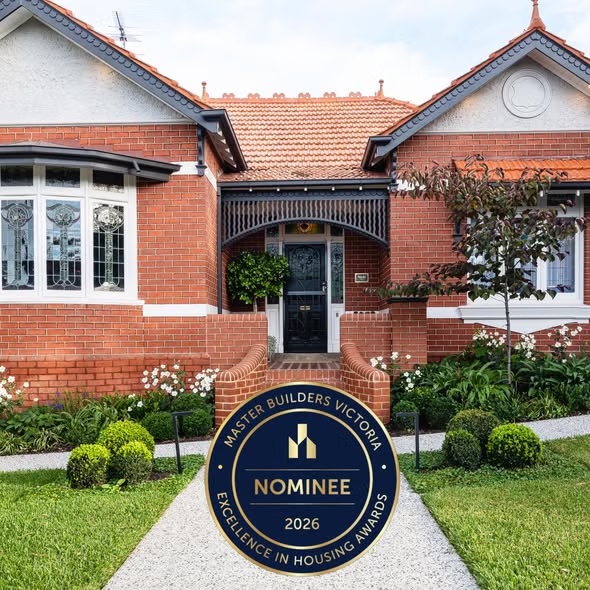
Melbourne’s pre-1970 homes — including Victorian terraces, post-war weatherboards, and mid-century brick homes — are often admired for their character and solid craftsmanship. However, they were built before modern safety and compliance standards.
Common defects include:
- Outdated electrical wiring
Older wiring often doesn’t meet current safety standards and can be a fire risk. - Asbestos-containing materials
You’ll often find asbestos in eaves, wall linings, vinyl tiles, and roofing materials. - Foundation settlement
Many older homes were built on timber stumps, which can shift, rot, or sink over time. - Timber decay and termite damage
Age, moisture, and past pest problems can weaken key structural components.
These homes are usually strong, but they often require regular upgrades, restumping, rewiring, or repairs to remain safe and functional.
Homes Built 1970–1990
During this time, Melbourne’s suburbs grew quickly, and brick veneer homes became common. Many of these houses are old enough that their original materials are beginning to wear out.
Typical issues include:
- Roofing deterioration
Concrete tiles and metal roofs can begin to show wear, develop leaks, or experience pointing issues. - Plumbing corrosion
Galvanised steel pipes from this era often rust internally, which can reduce water pressure and make plumbing less reliable. - Insulation deficiencies
Energy-efficiency standards were basic back then, so many homes don’t retain heat well. - Movement-related cracking
Melbourne’s common clay soils expand and shrink with the seasons, which can cause movement in homes.
These homes are usually in good shape, but they often need updates to the roof, plumbing, and insulation.
Homes Built 1990–2010
In the late 1990s and early 2000s, there was a significant increase in the construction of project homes. Even though building rules improved, the rush to build quickly sometimes led to uneven work quality.
Common problems include:
- Waterproofing failures
Bathrooms, balconies, and wet areas may experience membrane breakdown or improper installation. - Poor site drainage design
If the ground doesn’t slope away from the house, water can get in or cause the slab to move. - Inconsistent artistry
Building homes quickly sometimes led to shortcuts or not enough supervision. - Early material deterioration
Some newer building materials haven’t performed as well as expected.
These properties can appear modern but may hide latent defects that only become visible years later.
Homes Built After 2010
Newer homes often give buyers a sense of reassurance — but age alone doesn’t guarantee quality. In many cases, today’s builds prioritise compliance timelines and cost efficiency over craftsmanship.
Issues still frequently identified include:
- Incomplete or rushed finishes
Surface finishes can sometimes mask larger installation issues. - Installation defects
If flashings, cladding, or roofing aren’t installed well, they can fail sooner than expected. - Lack of detailing
Even small mistakes during construction can let water in or cause movement problems. - “Compliance-only” construction
Meeting minimum standards doesn’t always mean long-term durability.
Why Property Age Should Always Influence Your Inspection
Every building era has its own set of risks. If you don’t know what to look for, you might miss hidden problems or underestimate repair costs.
A professional inspection tailored to the home’s construction period helps:
- Identify age-specific structural risks.
- Detect hidden deterioration before it becomes expensive.
- Provide realistic maintenance expectations.
- Support informed negotiation with vendors.
- Protect long-term investment value.
Final Thoughts
No matter the property’s age or appearance, professional inspections provide the clarity buyers need to make confident decisions. A thorough inspection doesn’t just identify defects — it gives you negotiating power, protects your investment, and ensures there are no surprises after settlement.
Book Your Inspection with Confidence
Before committing to any property, book a professional inspection with Elevate Building Inspections and gain expert insight you can trust.
Our detailed inspection reports uncover what others miss — so you can buy with clarity, not uncertainty.