Slab Inspections

Pre-Slab Inspections Melbourne

Independent Checks Before Concrete Is Poured

The pre slab stage is one of the most critical phases of residential construction, as it forms the foundation for the entire structure. Defects identified at this stage can have long-term impacts on structural performance, drainage, slab movement, and overall build quality if not addressed before concrete is poured.

In Melbourne’s fast-growing townhouse developments, new estates, and volume-built homes, issues such as inadequate site preparation, poor reinforcement placement, incorrect slab set-out, plumbing penetrations, and drainage concerns are commonly identified during pre slab inspections. Once the concrete slab is poured, many of these defects become permanently concealed and significantly more difficult and expensive to rectify.

A pre slab inspection forms an important part of the staged construction inspection process, alongside waterproofing inspections, framing stage inspections, pre plaster inspections, and PCI/pre handover inspections. Each stage provides an opportunity to identify defects early — before they become hidden behind completed construction works or result in costly repairs later in the build.

At Elevate Building Inspections, we provide independent pre-slab inspections across Melbourne, assessing site preparation, slab set-out, reinforcement, moisture barriers, penetrations, and visible workmanship prior to the concrete pour. Our inspections help identify issues early and assess whether the installation appears consistent with approved plans, NCC requirements, and relevant Australian Standards.

We service Melbourne’s north-eastern suburbs, including Doncaster, Templestowe, Doreen, Diamond Creek, Eltham, Greensborough, Bundoora, Macleod, Montmorency, Heidelberg, Rosanna, Epping, Ivanhoe, Reservoir, Croydon, and surrounding areas.

pre slab inspections Melbourne

What Is a Pre-Slab / Slab Inspection?

A pre-slab inspection (also known as a slab inspection or pre-pour inspection) is carried out during new home construction after site preparation and reinforcement is complete, but before concrete is poured.

At this stage, critical structural components, including formwork, reinforcement, penetrations, moisture barriers, drainage preparation, and plumbing, are fully visible and able to be assessed before they are permanently concealed beneath the concrete slab.

This inspection helps assess whether the slab preparation appears consistent with approved engineering plans, NCC requirements, and relevant Australian Standards. Because these structural elements cannot be accessed once the slab has been poured, a pre-slab inspection is considered one of the most important stages in the entire construction process.

In Melbourne’s fast-growing estates and volume-built developments, issues with reinforcement placement, drainage grading, slab preparation, and plumbing penetrations are commonly identified during pre-slab inspections prior to the concrete pour.

Why This Stage Is So Important

Once the concrete is poured:

  • Defects become permanently concealed beneath the slab
  • Structural and drainage issues become significantly more expensive to rectify
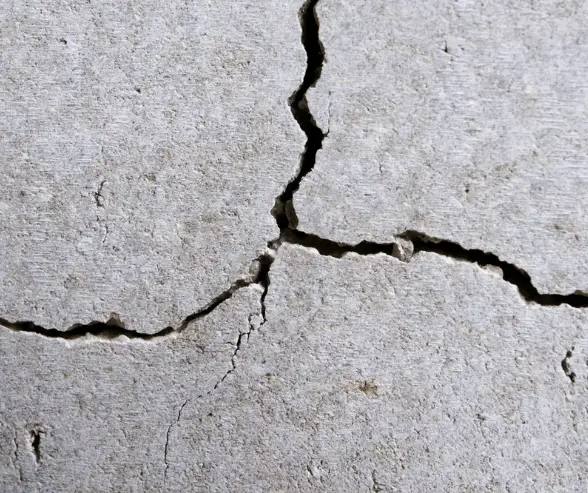
  • Problems may only appear later as cracking, slab movement, moisture intrusion, or settlement issues

A pre-slab inspection helps ensure your home is built on a solid and properly prepared foundation before construction continues.

Our pre slab inspections are completed independently, with no involvement from builders, developers or contractors. We provide honest, unbiased reporting focused on identifying structural concerns, preparation issues and workmanship defects before concrete is poured.

Objective & Independent Reporting

Our pre slab inspections assess the condition and preparation of the slab prior to the concrete pour, helping ensure footing excavations, reinforcement and slab set-out align with approved plans and expected construction standards.

Experienced Across Melbourne Building Sites

We regularly inspect new home builds, townhouse developments and custom homes throughout Melbourne. This gives us practical insight into common slab preparation issues, site drainage concerns and construction defects that can impact the long-term performance of the home.

Thorough Early Defect Identification

Our inspections focus on identifying issues such as incorrect reinforcement placement, inadequate site preparation, moisture barrier concerns, poor slab set-out and drainage problems before they become permanently concealed beneath the slab.

Greater Confidence Before Purchase

Identifying defects before the slab is poured allows issues to be rectified early, when they are generally easier and less expensive to fix. This helps reduce the risk of future structural movement, cracking and costly rectification works later in the build process.

What Our Pre-Slab Inspection Covers in Melbourne

A pre-slab inspection involves a detailed assessment of all structural and service elements before concrete is poured, ensuring everything has been installed correctly and is ready for the next stage of construction.

Our inspectors assess all accessible components before the pour, including:


Site Preparation

  • Ground preparation, excavation depth, and site levelling
  • Correct footing dimensions, positioning, and setbacks
  • Soil conditions consistent with engineering and design requirements

Steel Reinforcement

  • Correct placement, size, and spacing of reinforcement mesh
  • Adequate lap lengths and reinforcement coverage
  • Proper use of bar chairs to maintain the correct concrete cover

Plumbing & Services

  • Under-slab plumbing layout and positioning
  • Pipe penetrations, protection, and sealing
  • Compliance with approved plumbing and construction plans

Formwork & Set-Out

  • Slab edge beams, rebates, and formwork integrity
  • Correct slab dimensions, levels, and fall
  • Alignment with approved building and engineering drawings

Documentation & Compliance

  • Comparison against structural engineering plans
  • Identification of omissions, errors, or non-compliant work
  • Photographic documentation of all defects and concerns

Every inspection is supported by a clear, detailed report with photographic evidence, giving you the confidence to proceed — or the leverage to have issues rectified before the concrete is poured.

Why a Pre-Slab Inspection Is Critical Before Concrete Is Poured

Structural Integrity

Errors at slab stage can lead to cracking, movement, uneven floors, and long-term structural issues—especially in Melbourne’s reactive clay soils.

Avoid Costly Rectification

Fixing slab defects after construction can involve major disruption, engineering costs, or legal disputes.

Compliance With Standards

Ensures compliance with:
- Approved engineering drawings
- Council-approved plans
- AS 2870 – Residential Slabs and Footings
- NCC / Building Code requirements

Confidence From the Ground Up

You’ll know your home is built on a solid, compliant foundation—before it’s locked in permanently.

When Should a Pre-Slab Inspection Be Booked?

A pre-slab inspection should be booked after site preparation, formwork, reinforcement, and plumbing have been completed — but before concrete is poured.

This is a critical window in the construction process, as it’s your only opportunity to inspect what will become the foundation of your home.


We recommend booking your inspection as soon as your builder confirms the slab is ready for pour. This ensures:

  • Defects are identified before they are permanently covered
  • There is time for the builder to rectify any issues
  • You avoid delays to the concrete pour and construction timeline

Timing is critical

Once the concrete is poured:

  • Structural and plumbing defects are locked in permanently
  • Rectifications can become extremely costly and invasive
  • Issues may only appear later as cracking, movement, or drainage problems

Booking at the right time gives you maximum control — ensuring everything beneath your slab is correct before construction moves forward.

Common Issues Found at Pre-Slab Stage Before Concrete Is Poured

At the pre-slab stage, the foundation of your home is fully exposed — making it the only opportunity to identify defects before they are permanently locked in by concrete.

Our inspections regularly uncover issues that, if missed, can lead to structural problems, drainage issues, and costly repairs down the track.

Incorrect slab levels and poor site preparation

Uneven ground, incorrect excavation depth, or poor compaction can affect slab performance, leading to movement, cracking, and long-term structural issues.

Inadequate or incorrectly installed reinforcement

Missing reinforcement, incorrect spacing, or insufficient coverage can weaken the slab and compromise structural integrity.

Formwork and set-out errors

Incorrect slab dimensions, misaligned formwork, or poorly constructed edge beams can impact the overall structure and layout of the home.

Plumbing layout issues

Under-slab plumbing that is incorrectly positioned, poorly supported, or not aligned with plans can lead to costly rework or future drainage problems.

Drainage and moisture management issues

Improper site grading or lack of drainage provisions can result in water pooling around or beneath the slab, increasing the risk of moisture damage.

Non-compliance with engineering plans

Deviations from approved structural or engineering drawings, including missing elements or incorrect installation, can lead to compliance issues and future defects.

Identifying these issues before the concrete is poured gives you the opportunity to have them rectified by the builder — avoiding permanent defects and ensuring your home is built on a solid, compliant foundation.

common building defects in Melbourne
Elevate building inspector completing a pre-slab inspection before a concrete pour in Melbourne
Independent Pre-Slab Inspections Check the foundations before the concrete is poured
Pre-Slab Inspections Melbourne

Why Choose Elevate Building Inspections for a Pre-Slab Inspection?

Not all pre-slab inspections provide the same level of scrutiny, independence or practical construction knowledge. At this stage of the build, critical footing, reinforcement and under-slab elements are about to be permanently concealed beneath concrete.

Once the slab is poured, many defects become difficult or impossible to inspect without disruptive and costly work. Elevate Building Inspections provides an independent assessment before the concrete pour, helping identify visible concerns while rectification remains practical.

Licensed & Fully Insured Inspectors

Experienced inspectors with practical knowledge of residential slabs, footings, reinforcement and early-stage construction work.

Independent, Unbiased Assessment

We work solely for you as the property owner—not the builder, developer, concreter or site supervisor.

Detailed Reinforcement Checks

We assess visible reinforcement placement, bar supports, laps, clearances, penetrations and other slab preparation details before concrete is poured.

Footings & Slab Preparation

Visible footing trenches, edge beams, vapour barriers, service penetrations and preparation work are reviewed before they are permanently concealed.

Prompt Digital Reporting

Clear photographic reports are delivered promptly so concerns can be raised and rectified before the scheduled concrete pour.

Practical Rectification Advice

We explain what each issue means, why it matters and what should be addressed before concrete placement proceeds.

Defects Found Before the Pour

Identifying visible concerns before concrete placement gives the builder an opportunity to complete corrective work while all structural elements remain accessible.

Local Melbourne Experience

Hands-on experience across Doncaster, Templestowe, Doreen, Diamond Creek, Eltham, Greensborough, Bundoora, Macleod, Montmorency, Heidelberg, Rosanna, Ivanhoe and nearby suburbs.

Inspect the Slab Preparation Before It Is Permanently Concealed

A pre-slab inspection provides an important opportunity to identify visible reinforcement, footing and preparation concerns before the concrete pour. Our independent assessment gives you greater confidence that defects have been documented and can be addressed before the slab is permanently set in place.

Get Peace Of Mind Knowing Award Winning Building Professionals Are Carrying Out Your Slab Inspections

Specialist Equipment Used During Slab Inspections in Melbourne

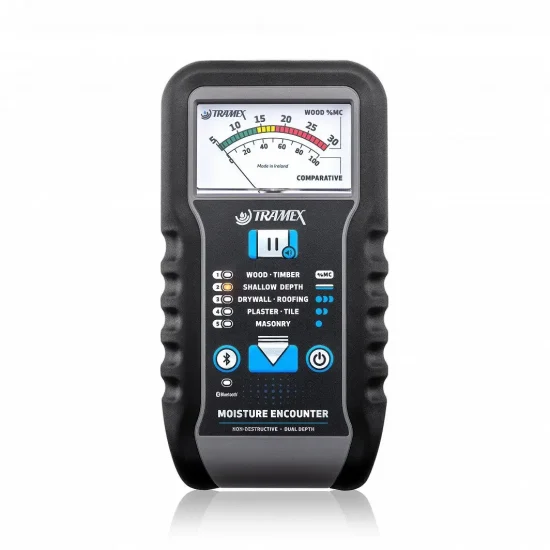
Tramex ME5 Mositure Encounter for Building Materials - inspection equipment

Non-Destructive Moisture Meter (Tramex Moisture Encounter)

We use a non-destructive moisture meter to detect elevated moisture levels within walls, floors, ceilings and other building materials without causing damage. This professional-grade tool measures moisture at both surface and deeper levels, allowing us to identify hidden dampness, water ingress and moisture-related defects that may not be visible during a visual inspection. It is particularly effective for locating rising damp, roof leaks, subfloor moisture and areas at risk of timber decay — common issues in many Melbourne properties built on reactive clay soils.

FLIR TG267 Thermal Imaging Camera for Building Inspections

Thermal Imaging Camera (FLIR TG267)

Our inspections also utilise a thermal imaging camera to identify temperature variations that can indicate underlying building issues. Thermal imaging allows us to detect problems such as moisture intrusion, insulation gaps, overheating electrical components and areas of heat loss — all without invasive testing. By highlighting hot and cold spots within building elements, thermal imaging helps pinpoint concealed defects quickly and accurately, providing valuable insight into issues that may otherwise go unnoticed during a standard visual inspection.

Pre-Slab Inspection FAQs

Frequently Asked Questions

Find answers to common questions about pre-slab inspections, what is checked before concrete is poured, when to book and how this stage fits into your new home building inspection process.

What is a pre-slab inspection?

A pre-slab inspection is an independent assessment carried out after site preparation, formwork, reinforcement and relevant under-slab services have been installed, but before concrete is poured.

It provides an opportunity to assess visible and accessible slab preparation before these elements are permanently concealed.

When should I book a pre-slab inspection?

The inspection should be completed once the slab preparation is ready but before the concrete pour begins.

Ideally, contact us as soon as your builder gives you an expected slab pour date so the inspection can be scheduled while the reinforcement, footings, penetrations and formwork remain visible.

Why is the pre-slab stage important?

Once concrete is poured, many slab and footing elements are permanently concealed and can no longer be visually assessed.

A pre-slab inspection gives you an opportunity to identify visible concerns before the build progresses and before later rectification becomes more difficult.

What does a pre-slab inspection check?

Depending on accessibility and the construction stage, the inspection may include site preparation, footing excavations, slab set-out, formwork, reinforcement, bar chairs, vapour barriers, plumbing penetrations and other visible slab preparation details.

The inspector also looks for incomplete work, workmanship concerns, visible deviations from plans and areas that may require clarification before the pour.

Does a pre-slab inspection check reinforcement?

Yes. Visible reinforcement is an important part of the inspection.

This may include mesh and bar placement, spacing, laps, supports, clearances and other visible reinforcement details where they can be assessed against the relevant engineering information.

Does the inspection check footings and edge beams?

Yes. Visible footing trenches, edge beams and related preparation can be assessed where accessible.

The inspection may consider dimensions, positioning, formwork, reinforcement and whether visible construction appears consistent with the approved engineering details.

Does a pre-slab inspection check plumbing and service penetrations?

Visible under-slab plumbing, service penetrations and pipe locations may be assessed as part of the inspection.

The inspection is not a substitute for specialist plumbing certification, but visible positioning, protection and penetration concerns can be documented where relevant.

Does the inspection check the vapour or moisture barrier?

Yes. Where the membrane or vapour barrier is visible and accessible, its placement and condition can be assessed as part of the inspection.

The inspector may look for visible damage, gaps, poor detailing or penetrations that may require attention before concrete is poured.

What types of defects can be found before the slab is poured?

Depending on the build, concerns may include incorrect reinforcement placement, inadequate supports, damaged moisture barriers, set-out errors, incomplete formwork, plumbing penetration issues, drainage concerns and other visible preparation defects.

The purpose is to document these issues while the slab preparation is still exposed.

Is a pre-slab inspection the same as a footing inspection?

The terms are often used together because both occur at the foundation stage of a new build.

A pre-slab inspection generally covers the broader slab preparation, including visible footings, reinforcement, set-out, formwork, penetrations and moisture barriers before the concrete pour.

Does a pre-slab inspection check AS 2870 requirements?

The inspection may assess whether visible slab and footing preparation appears consistent with relevant requirements, including AS 2870 where applicable.

The assessment may also consider approved engineering drawings, NCC requirements and project-specific documentation.

Does a pre-slab inspection certify compliance?

The inspection provides an independent assessment of visible and accessible slab preparation and identifies areas of concern within the agreed inspection scope.

It should not be treated as a substitute for formal building certification, engineering approval or any mandatory inspection required as part of the building permit process.

Is a pre-slab inspection mandatory in Victoria?

An independent pre-slab inspection arranged by the homeowner is generally optional and separate from mandatory inspections required under the building permit process.

Some owners choose to arrange one for additional independent oversight before concrete is poured.

Does a building surveyor inspection replace a pre-slab inspection?

They serve different purposes.

Mandatory inspections associated with the building permit process are separate from an independent inspection arranged by the owner. A pre-slab inspection provides an additional client-focused review of visible workmanship, preparation and construction details before concrete is poured.

Can a pre-slab inspection delay the concrete pour?

The aim is to complete the inspection within the builder's scheduled construction window.

Because concrete pours can move quickly, booking early gives more time to review any identified concerns before the slab is poured.

What happens if defects are found before the pour?

Identified concerns are documented in the inspection report so you have a clear record to discuss with your builder.

Where appropriate, the report may recommend clarification, further assessment or corrective work before the affected elements are permanently concealed by concrete.

How long does a pre-slab inspection take?

Inspection time depends on the size and complexity of the slab, number of footings, construction type and accessibility of the site.

Larger homes, townhouses or more complex foundation systems may require additional time.

When will I receive my pre-slab inspection report?

Elevate Building Inspections provides a clear digital report following the inspection, including photographs and descriptions of identified concerns.

Because slab pours are time-sensitive, let the team know the planned concrete pour date when booking.

Can I attend the pre-slab inspection?

Where builder access and site safety requirements allow, you can discuss attendance with the team when booking.

Your inspector can also explain significant findings and answer questions about the report after the inspection.

Should I book other inspections after the slab stage?

Many homeowners choose independent inspections at several stages of construction so different elements can be assessed before they are concealed.

You can arrange a broader new home building inspection program that may include frame, pre-plaster, waterproofing and pre-handover inspections.

What comes after a pre-slab inspection?

After the slab is poured and the build progresses, the next relevant independent inspection will depend on the construction program.

Later stages may include framing, a pre-plaster inspection , waterproofing and a PCI or pre-handover inspection .

Do you provide pre-slab inspections across Melbourne?

Yes. Elevate Building Inspections provides pre-slab and construction-stage inspections across Melbourne and surrounding areas.

Contact the team with your build address and expected concrete pour date to confirm availability.

Before the Concrete Is Poured

Book Your Pre-Slab Inspection

Have visible footings, reinforcement, formwork, moisture barriers and slab preparation independently inspected before they are permanently concealed by concrete.

Get a Quote

Book Your Pre Slab Inspection Today

Before concrete is poured, make sure your slab and footings meet Australian building standards. A pre-slab inspection provides early-stage compliance checks, identifies hidden structural issues, and gives you confidence that your new home is being built on a solid foundation from the very beginning.