Before plasterboard (gyprock) is installed and walls are sealed, there’s a critical opportunity to identify hidden issues that can lead to costly repairs later. A pre-plaster inspection gives homeowners clarity and confidence that structural framing, fixings and internal systems have been installed correctly before they are concealed behind plaster.
In Melbourne’s fast-growing northern growth corridors and townhouse developments, pre plaster inspections commonly identify framing movement, incomplete bracing, poor service penetrations and workmanship defects before internal linings conceal these issues. Homes constructed on Melbourne’s reactive clay soils can also experience early movement and settlement during construction, particularly when framing has been exposed to changing weather conditions.
At Elevate Building Inspections, we conduct thorough, independent pre-plaster inspections across Melbourne, assessing framing, roof structures, rough-ins, bracing, and workmanship to help ensure that defects are identified early and that construction aligns with NCC requirements and approved plans.
A pre plaster inspection is a critical stage in the construction process, sitting alongside pre slab inspections, waterproofing inspections, and PCI/pre handover inspections. Each stage inspection provides an opportunity to identify workmanship issues, structural concerns, and potential defects before they become concealed behind plaster, finishes, or completed construction elements — helping reduce the risk of costly rectification works later in the build.
We service Melbourne’s north-eastern suburbs, including Doncaster, Templestowe, Doreen, Diamond Creek, Eltham, Greensborough, Bundoora, Macleod, Montmorency, Heidelberg, Rosanna, Epping, Ivanhoe, Reservoir, Croydon and surrounding areas.

A pre-plaster inspection is an assessment completed after framing, bracing, fixings, and internal services are installed but before plasterboard or linings are fixed.
This inspection focuses on structural and installation quality in areas that become hidden once plastering is complete. Correcting issues after walls are finished is often disruptive and expensive, which makes this inspection particularly valuable.
Pre-plaster inspections help verify compliance with:
Relevant building codes and standards
Approved plans and specifications
Sound workmanship expectations
Our pre plaster inspections assess the property once framing, roofing, plumbing and electrical rough-ins are complete but before plasterboard is installed. This allows us to provide a clear, independent assessment of the construction quality before internal finishes conceal potential defects.
We regularly inspect volume-built homes, townhouse developments and custom homes throughout Melbourne, giving us practical insight into common framing issues, workmanship defects and construction concerns that can impact the quality and performance of the home.
Our inspections focus on identifying framing movement, incomplete works, poor workmanship, roof space concerns, service rough-in issues and structural defects before plaster is installed and access becomes limited.
Identifying issues during the pre plaster stage allows defects to be rectified early in the construction process, helping reduce the risk of hidden problems, costly future rectifications and disputes after handover.
Wall and ceiling frames
Load-bearing supports
Bracing and tie-downs
Fixing quality and framing alignment
Electrical cable runs and switch box positioning
Plumbing pipe locations and penetrations
HVAC ducting and vents
Services installed within or behind frames
Correct placement of screws, nails, and fasteners
Penetration detailing around services
Adequate spacing and clearances
Match against approved plans
Confirm framing and service installations match requirements
Documented photographic evidence for defects
Our pre-plaster inspection assesses all accessible internal construction elements.
A pre-plaster inspection is one of the most important stages in the construction process — because it’s your last opportunity to assess the structure of your home before everything is covered up.
Once plaster is installed, many defects become hidden, making them significantly harder and more expensive to identify and fix.
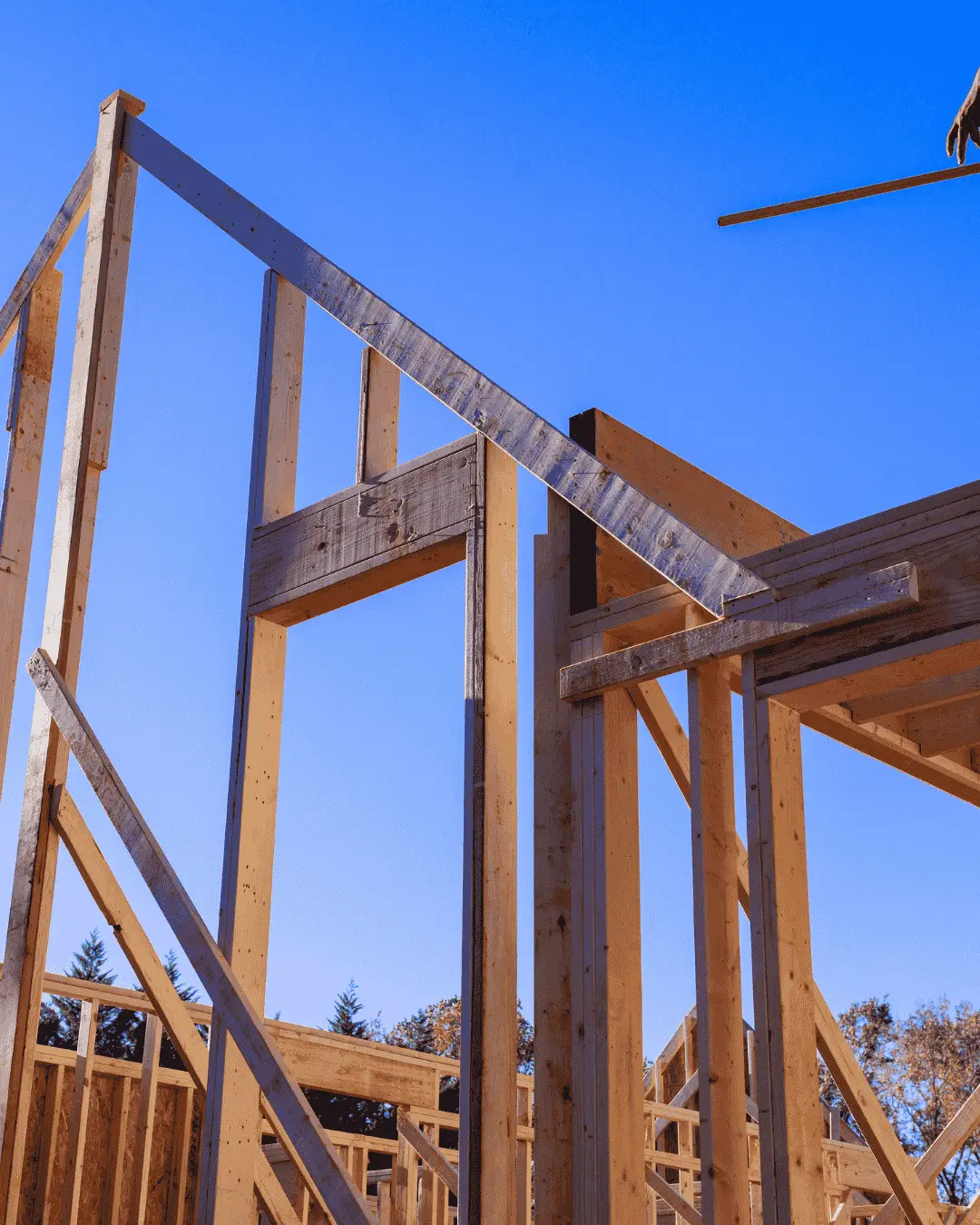
At pre-plaster stage, the internal framework of your home is fully exposed. This is your only opportunity to inspect critical structural components before they are concealed behind plasterboard.
Defects such as frame misalignment, inadequate bracing, or poor workmanship can be completely covered once plaster is installed. If missed at this stage, these issues may only become visible years later — often requiring costly repairs.
Key services like plumbing pipes and electrical wiring are installed within walls. Without inspection, issues such as poor installation, unsecured fittings, or non-compliant work can be hidden permanently once the walls are closed.
At pre-plaster stage, your builder is still responsible for ensuring all structural and service elements are completed correctly. Identifying issues now gives you the leverage to have them rectified before construction progresses further.
The ideal time to book a pre-plaster inspection is after framing and internal services are installed but before the plasterboard or linings are fixed.
This timing gives your builder the opportunity to rectify issues early, with minimal disruption and cost. Inspections can also be scheduled for:
New home builds
Knock-down rebuilds
Major renovations with new internal walls
At the pre-plaster stage, your home’s structure and internal systems are fully exposed — making it the ideal time to identify defects that would otherwise be hidden behind walls. Our inspections regularly uncover issues that, if left unaddressed, can lead to costly repairs, compliance concerns, or long-term performance problems.
Walls that are not straight, improperly installed beams, or inadequate bracing can compromise the home’s structural integrity and finish.
Missing noggings, incorrect spacing, or framing that does not meet Australian Standards or engineering requirements.
Loose pipework, incorrect positioning, or inadequate support can lead to leaks, noise, or long-term damage once concealed.
Cabling that is poorly routed, unsecured, or not positioned correctly for future fixtures and fittings.
Incorrect installation or gaps in insulation can affect energy efficiency and comfort.
Unsealed gaps around pipes, conduits, and penetrations can allow moisture, pests, or drafts into the home.
General poor workmanship, including loose fixings, incomplete installations, or areas not built to specification.
Identifying these issues before plaster is installed allows you to have them rectified by the builder — avoiding hidden defects, future damage, and costly remediation work.
Not all pre-plaster inspections deliver the same level of scrutiny or independence. At this stage of construction, critical structural framing, fixings, and internal services are about to be concealed behind plasterboard—making accuracy and attention to detail essential. Once walls and ceilings are lined, defects can remain hidden and become far more difficult and costly to rectify.
Homeowners and builders across Melbourne’s north-eastern suburbs choose us for pre-plaster inspections because we offer:
Fully licensed and insured inspectors with extensive experience in residential framing, fixings, and pre-plaster construction stages
Independent, unbiased assessments — we work for you, not the builder, trades, or developer
Prompt reporting, allowing issues to be identified and rectified before plasterboard or linings are installed
Clear, practical recommendations, not just technical observations — we explain what issues mean and how they should be corrected before work proceeds
Strong local knowledge, with hands-on experience across Doncaster, Templestowe, Doreen, Diamond Creek, Eltham, Greensborough, Bundoora, Macleod, Montmorency, Heidelberg, Rosanna, Ivanhoe, and surrounding suburbs
We’re committed to professionalism, transparency, and giving you confidence to move forward—knowing your framing and internal works have been independently assessed before they’re permanently concealed.

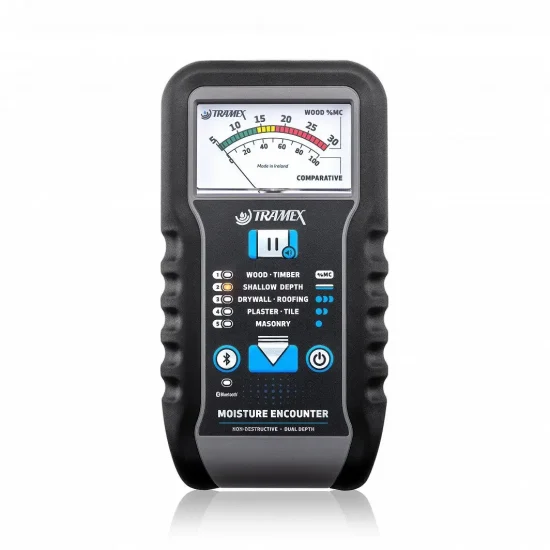
We use a non-destructive moisture meter to detect elevated moisture levels within walls, floors, ceilings and other building materials without causing damage. This professional-grade tool measures moisture at both surface and deeper levels, allowing us to identify hidden dampness, water ingress and moisture-related defects that may not be visible during a visual inspection. It is particularly effective for locating rising damp, roof leaks, subfloor moisture and areas at risk of timber decay — common issues in many Melbourne properties built on reactive clay soils.

Our inspections also utilise a thermal imaging camera to identify temperature variations that can indicate underlying building issues. Thermal imaging allows us to detect problems such as moisture intrusion, insulation gaps, overheating electrical components and areas of heat loss — all without invasive testing. By highlighting hot and cold spots within building elements, thermal imaging helps pinpoint concealed defects quickly and accurately, providing valuable insight into issues that may otherwise go unnoticed during a standard visual inspection.
No, it’s not compulsory, but it’s highly recommended. Mandatory inspections are compliance-based and may not catch workmanship deficiencies that affect finishes.
Most inspections take 60–90 minutes, depending on the size and complexity of the build.
Yes—but correcting them after walls are sealed is far more disruptive and costly than fixing before plasterboard is installed.
Attendance is optional, but many homeowners choose to be present. Regardless, you’ll receive a detailed written report with photos.
In Melbourne homes, especially across fast-growing northern growth corridor estates and townhouse developments, common defects include framing movement, incomplete bracing, poor service penetrations, bowed wall framing, and workmanship issues concealed before plasterboard installation.
While a pre plaster inspection is not a formal building surveyor certification, it helps identify workmanship concerns, visible defects and construction issues that may not align with NCC requirements, approved plans or expected building standards before plasterboard is installed.
Yes. A pre plaster inspection provides one of the last opportunities to identify hidden framing, rough-in and workmanship defects before walls are lined. Once plasterboard is installed, many issues become significantly harder and more expensive to rectify.
Some defects can still be repaired after plaster installation, but rectification is often more invasive, expensive and disruptive once walls and ceilings are closed up. Identifying issues during the pre-plaster stage allows builders to address problems earlier in the construction process.
Ensure your framing and internal installations are built correctly before they’re concealed.
A professional Pre-Plaster Inspection helps protect your investment and gives you confidence as your build progresses.