Timber Pest & Pre Purchase Termite inspection

Pre-Purchase Pest Inspections Melbourne

When buying a property, hidden timber pest activity can turn a great purchase into a costly mistake. Termites, borers, and fungal decay often go undetected during open inspections, yet they can cause serious structural damage and lead to repair costs running into tens of thousands of dollars. A pre-purchase timber pest inspection helps uncover these risks before you commit, giving you clarity and confidence during the buying process.

At Elevate Building Inspections, we specialise in pre-purchase timber pest inspections in Melbourne, helping buyers identify termite activity and other timber-destroying pests prior to exchange or settlement. Early detection allows you to renegotiate, request treatment, or walk away—protecting your investment before it’s too late.

We provide comprehensive pre-purchase pest inspections across Melbourne and the north-eastern suburbs, including Doncaster, Templestowe, Doreen, Diamond Creek, Eltham, Greensborough, Bundoora, Macleod, Montmorency, Heidelberg, Rosanna, Epping, Ivanhoe, Reservoir, Croydon, and surrounding areas. Our licensed timber pest inspectors deliver clear, independent reports so you can make informed decisions with confidence before you buy.

pre-purchase pest inspections melbourne

What Is a Timber Pest Inspection?

A timber pest inspection is a professional assessment designed to detect timber-destroying pests within a property. These pests commonly include termites (white ants), wood borers, and wood decay fungi, all of which can cause significant structural damage if left untreated.

Timber pest inspections are essential for homeowners, property managers, landlords, and anyone maintaining an existing property, as early detection allows for timely treatment and helps prevent costly repairs and long-term damage.

During the inspection, our qualified and experienced pest technicians thoroughly examine all safely accessible areas of the property. This includes internal timbers, roof voids, subfloors (where accessible), external structures, fencing, outbuildings, and garden timbers. We assess for active infestations, evidence of previous pest activity, and conditions that may increase future risk, providing you with a clear understanding of your property’s condition.

A detailed report is then issued, outlining our findings and any recommended actions to help protect your property.

What Is a Pre-Purchase Pest Inspection?

A pre-purchase pest inspection is a specialised timber pest assessment carried out before buying a property. It is designed to identify active or previous timber pest activity, such as termites, borers, or fungal decay, as well as conditions that may increase the risk of future infestations. This gives buyers a clear understanding of potential pest-related risks before committing to a purchase.

As part of the due diligence process when buying property in Melbourne, a pre-purchase pest inspection is essential. Hidden timber pest damage can significantly affect a property’s value and lead to costly repairs if left undiscovered, making early detection critical for informed decision-making.

When Should You Book a Pre-Purchase Pest Inspection?

Booking a pre-purchase pest inspection at the right time can make a significant difference when buying property in Melbourne. Pest activity — particularly termites — can cause extensive structural damage that may not be visible during open inspections. Understanding when to organise a pest inspection ensures you have the information needed to make confident property decisions. From auction purchases to investment property due diligence, here are the most common times buyers should arrange a pest inspection.

Before an Auction

In Melbourne, properties sold at auction are typically purchased under unconditional contracts, meaning buyers cannot request inspections once the property has been sold. For this reason, arranging a pre-purchase pest inspection before auction day is highly recommended.

A pest inspection conducted prior to the auction allows buyers to identify potential termite activity, timber damage, or moisture issues that could affect the structural integrity of the property. With this information, buyers can make a more informed decision, set a realistic bidding limit, and proceed with greater confidence on auction day.

During the Cooling-Off Period

For private treaty sales in Victoria, buyers usually have a three-business-day cooling-off period after signing the contract of sale. This period is commonly used to organise building and pest inspections to confirm the true condition of the property.

Booking a pest inspection during the cooling-off period allows buyers to identify any signs of active termite activity, previous timber pest damage, or areas of the home that may be vulnerable to infestation. If significant issues are discovered, buyers may be able to renegotiate the purchase price or withdraw from the contract within the allowed timeframe.

Before Exchange of Contracts

Another ideal time to arrange a pest inspection is before contracts become unconditional. Many buyers submit an offer that is subject to building and pest inspections, giving them the opportunity to investigate the property thoroughly before committing to the purchase.

If the inspection reveals termite damage, timber pests, or conditions likely to lead to future infestations, buyers may be able to request repairs, negotiate the sale price, or reconsider the purchase. This step can help prevent costly surprises after settlement.

When Purchasing an Investment Property

For property investors, organising a pest inspection is an important part of due diligence before finalising the purchase. While investors often focus on rental yield and location, the structural condition of the property is equally important.

Hidden termite damage can affect a property's long-term value and lead to expensive repairs that impact investment returns. A pest inspection helps ensure the property is structurally sound and suitable for long-term ownership or rental.

What Are Timber Pests?

Timber pests are insects that feed on or damage timber structures, often causing hidden structural issues that can become extremely costly if left untreated. In Melbourne homes, the most common timber pests include termites, wood borers, and fungal decay (wood rot).

Termites (White Ants)

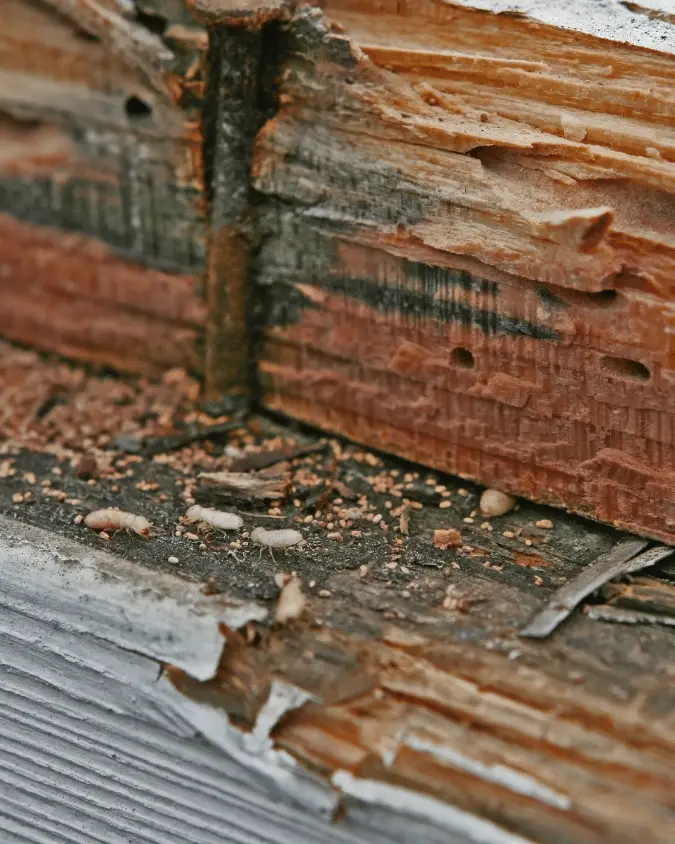
Termites are the most destructive timber pest in Australia. They feed on cellulose found in timber and can silently damage structural elements such as wall frames, flooring, and roof timbers. Because they often remain hidden within walls or subfloors, infestations can go unnoticed until significant damage has already occurred.

Wood Borers

Wood borers are beetles whose larvae tunnel through timber, leaving behind small exit holes and fine powdery dust. While some species are relatively harmless, others can weaken timber over time, particularly in older homes or damp conditions.

Fungal Decay (Wood Rot)

Fungal decay occurs when timber is exposed to excessive moisture, creating the perfect environment for rot. This weakens the structural integrity of timber and can make properties more susceptible to further pest infestations, including termites.

What Does a Pre-Purchase Timber Pest Inspection Include?

A pre-purchase timber pest inspection assesses the reasonably accessible areas of a property for evidence of termites and other timber pests, timber damage, fungal decay and conditions that may increase the risk of future pest activity.

All inspections follow Australian Standard AS 4349.3‑2010 (Timber Pest Inspections), ensuring a thorough and professional assessment.

During a timber pest inspection,  our inspectors assess areas including:

  • Roof voids – checking accessible roof spaces, structural timbers and other areas for visible evidence of termite activity, damage, wood borers and moisture-related concerns.
  • Subfloor areas – where accessible, inspecting bearers, joists, flooring timbers and other structural elements for timber pest activity and damage.
  • Internal areas – assessing accessible walls, floors, skirting boards, architraves, window frames and other timber components for signs of activity or deterioration.
  • External areas – inspecting accessible external walls, timber structures, decks, verandahs and other areas where timber pests may be present.
  • Surrounding property – checking accessible fences, landscaping timbers, tree stumps, stored timber and other conditions around the property that may contribute to timber pest risk.
  • Moisture-prone areas – identifying visible moisture conditions and other environmental factors that may create conditions favourable to termites or timber decay.

Is a Pre-Purchase Pest Inspection a Termite Inspection?

Yes, a pre-purchase pest inspection includes an assessment for visible evidence of termite activity and termite damage, but the inspection is not limited to termites.

A comprehensive timber pest inspection also looks for other issues that can affect structural and non-structural timber, including wood borers, fungal decay, moisture-related deterioration and conditions that may increase the risk of future timber pest activity.

This is why buyers may see the service described as a pre-purchase pest inspection, timber pest inspection or termite inspection. The purpose is to give you a clearer understanding of timber pest activity, damage and risk before purchasing a property.

If you also want the property assessed for building defects, structural concerns and general condition, a combined building and pest inspection may be more appropriate.

What Are We Looking For In A Timber Pest Inspection?

During the inspection, we look for evidence or indicators of:

  • Active termites and previous termite activity
  • Visible termite damage to accessible building elements
  • Wood-boring insects and associated timber damage
  • Fungal decay and timber deterioration
  • Excessive moisture or moisture-related concerns
  • Conditions that may make the property more susceptible to timber pests
  • Areas where access limitations may prevent a complete visual assessment

Following the inspection, you’ll receive a clear timber pest inspection report outlining the findings, areas inspected, identified risks and recommendations for further investigation or action where required.

For property buyers, this provides valuable information about potential timber pest risks before you commit to purchasing the property.

pre purchase pest inspection melbourne
Our Timber Pest Inspection Process

Our Pre-Purchase & Timber Pest Inspection Process – Step by Step

We follow a structured and methodical timber pest inspection process to identify, assess and document termites, borers, fungal decay and conditions that may contribute to future infestations. This helps buyers understand pest-related risks before purchasing a property.

01

Pre-Inspection Confirmation

Once your pre-purchase building and timber pest inspection is booked, we confirm the property details, building age, location and any known concerns, including previous termite activity, moisture issues, fungal decay or past pest treatments.

Understanding the property's history allows our inspectors to focus on higher-risk areas while tailoring the inspection to the building and surrounding site conditions.

02

Comprehensive Timber Pest Assessment

Our licensed inspectors visually assess all safely accessible areas, including internal rooms, roof spaces, subfloors, external walls, decks, fences, retaining walls and accessible outbuildings.

  • Active termite activity
  • Previous termite damage
  • Timber decay and fungal activity
  • Wood borer damage
  • Moisture sources and pest risks
  • Conditions conducive to infestation
03

Findings, Photography & Risk Assessment

All findings are documented in a detailed timber pest inspection report supported by high-resolution photographs and clear practical explanations.

The report outlines identified timber pest activity, damage, risk factors, inaccessible areas and any locations that may require further investigation or specialist treatment advice.

04

Prompt Report Delivery

Your pre-purchase timber pest inspection report is typically delivered within 24 hours, giving you time to review the findings, negotiate where appropriate or obtain treatment advice before proceeding.

Clear photographs and practical recommendations help you understand the property's current condition and the potential for future timber pest activity.

Building and Pest Inspection vs Timber Pest Inspection – What’s the Difference?

While the services are closely related, a timber pest inspection and a combined building and pest inspection assess different aspects of a property.

A pre-purchase timber pest inspection focuses specifically on termites, wood borers, fungal decay, timber damage and conditions that may increase the risk of timber pest activity.

A building inspection looks more broadly at the property’s condition, including accessible structural elements, building defects, workmanship issues, and other areas of concern.

A combined building and pest inspection brings both assessments together, giving buyers a more comprehensive understanding of the property’s building condition and timber pest risks before purchasing.

InspectionWhat It AssessesBest Suited To
Timber Pest InspectionTermites, wood borers, fungal decay, timber damage and conducive conditionsBuyers specifically wanting to assess timber pest risks
Building InspectionBuilding defects, accessible structural concerns, workmanship and general property conditionBuyers wanting to understand the building’s overall condition
Building & Pest InspectionBuilding condition plus timber pest activity, damage and riskBuyers wanting a more comprehensive pre-purchase assessment

If you’re primarily concerned about termites and other timber pests, a pre-purchase timber pest inspection may suit your needs. If you want both the building and timber pest risks assessed before buying, consider our Building & Pest Inspection service.

Elevate timber pest inspector assessing a Melbourne property for termite activity and timber damage
Independent Timber Pest Inspections Identify pest risks before they become costly problems
Timber Pest Inspections Melbourne

Why Choose Elevate Building Inspections for Timber Pest Inspections?

Not all timber pest inspectors provide the same level of detail, independence or practical guidance. When you are buying or maintaining a property, you need an experienced inspection team that can identify signs of termite activity, timber damage and conditions that may increase the risk of future infestation.

Elevate Building Inspections provides thorough and independent timber pest assessments for homeowners, buyers and investors across Melbourne. We do more than identify visible pest concerns—we explain what the findings mean and the practical steps that may be required to protect the property.

Qualified & Licensed Inspectors

Experienced inspectors trained to identify visible termite activity, wood borers, fungal decay, timber damage and conditions conducive to future pest activity.

Independent, Unbiased Assessments

We work solely for you—not the seller, real estate agent or another interested party—so you receive an objective assessment of the property's visible timber pest risks.

Thorough Pest Risk Assessment

We inspect safely accessible internal areas, roof spaces, subfloors, external timbers, decks, fences and outbuildings for evidence of current or previous timber pest activity.

Fast Digital Reports

Clear reports supported by photographic evidence are delivered promptly, helping buyers avoid unnecessary delays during cooling-off periods, negotiations or settlement decisions.

Practical Recommendations

We do more than identify problems. Our reports explain the significance of the findings and whether treatment, further investigation or preventive action should be considered.

Moisture & Conducive Conditions

We also identify moisture sources, poor drainage, timber-to-soil contact and other environmental conditions that may increase the risk of future termite or fungal activity.

Pre-Purchase Pest Experience

Our timber pest inspections can support broader pre-purchase due diligence by helping buyers understand visible pest damage and risks before committing to a property.

Local Melbourne Knowledge

Extensive experience across Doncaster, Templestowe, Doreen, Diamond Creek, Eltham, Greensborough, Bundoora, Macleod, Montmorency, Heidelberg, Rosanna, Ivanhoe and nearby suburbs.

Understand the Risk and Protect Your Property

We do not simply detect visible pest activity. Our goal is to help you understand the extent of the concern, the conditions contributing to it and the next steps that may be required to protect the property from further timber pest damage.

Get Peace Of Mind Knowing Award Winning Building Professionals Are Carrying Out Your Pre Purchase Pest Inspection

Specialist Equipment Used During Pre-Purchase Pest Inspections in Melbourne

pre purchase termite inspection melbourne

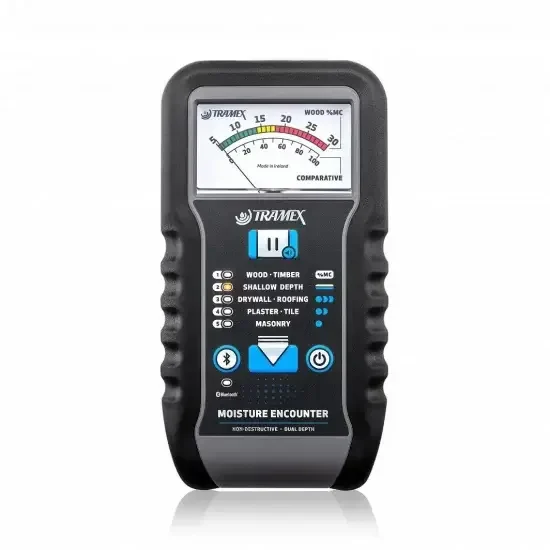
Non-Destructive Moisture Meter (Tramex Moisture Encounter)

We use a non-destructive moisture meter to detect elevated moisture levels within walls, floors, ceilings and other building materials without causing damage. This professional-grade tool measures moisture at both surface and deeper levels, allowing us to identify hidden dampness, water ingress and moisture-related defects that may not be visible during a visual inspection. It is particularly effective for locating rising damp, roof leaks, subfloor moisture and areas at risk of timber decay — common issues in many Melbourne properties built on reactive clay soils.

Melbourne Pre Purchase Pest Inspections

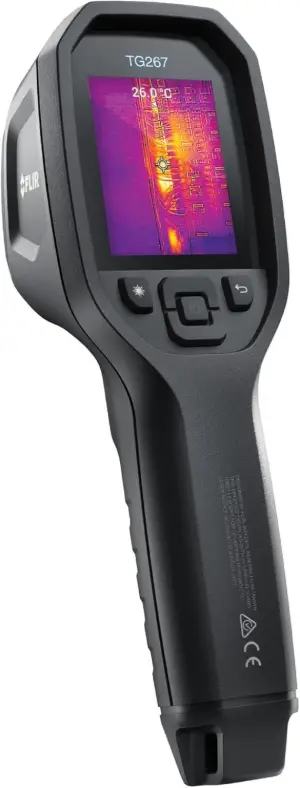
Thermal Imaging Camera (FLIR TG267)

Our inspections also utilise a thermal imaging camera to identify temperature variations that can indicate underlying building issues. Thermal imaging allows us to detect problems such as moisture intrusion, insulation gaps, overheating electrical components and areas of heat loss — all without invasive testing. By highlighting hot and cold spots within building elements, thermal imaging helps pinpoint concealed defects quickly and accurately, providing valuable insight into issues that may otherwise go unnoticed during a standard visual inspection.

Timber Pest Inspection FAQs

Frequently Asked Questions

Find answers to common questions about timber pest and pre-purchase pest inspections, termites, what we inspect and when to arrange an inspection before buying a property.

What is a timber pest inspection?

A timber pest inspection assesses safely accessible areas of a property for evidence of timber-destroying pests and timber deterioration. This includes signs of termites, wood borers, fungal decay and conditions that may increase the risk of future timber pest activity.

What is a pre-purchase pest inspection?

A pre-purchase pest inspection is carried out before buying a property to identify visible evidence of timber pest activity, previous damage, fungal decay and conditions that may contribute to future infestation.

It helps buyers better understand timber pest risks before committing to the purchase.

Is a pre-purchase pest inspection the same as a termite inspection?

A pre-purchase pest inspection includes an assessment for visible evidence of termite activity and termite damage, but it is broader than a termite-only inspection.

The inspection also considers wood borers, fungal decay, moisture-related deterioration and conditions that may increase timber pest risk.

When should I book a pre-purchase pest inspection?

Ideally, arrange the inspection before making an unconditional commitment to the property. This may be before an auction, during an applicable cooling-off period or before the contract becomes unconditional.

If you are purchasing under time-sensitive contract conditions, speak with your conveyancer or solicitor about the deadlines that apply to your purchase.

What does a timber pest inspection include?

The inspection assesses reasonably accessible areas of the property, which may include roof voids, subfloor areas, internal rooms, external building elements, decks, verandahs, fences, landscaping timbers and moisture-prone areas.

We look for visible signs of timber pest activity, damage, deterioration and conditions that may make the property more susceptible to future infestation.

What timber pests do you look for?

Timber pest inspections typically assess for evidence of termites, wood-boring insects and fungal decay affecting timber.

We also look for moisture and environmental conditions that may contribute to timber deterioration or create conditions favourable to timber pest activity.

Does the inspection check for active termites?

Yes. The inspection looks for visible evidence of active termite activity as well as signs of previous termite activity and termite-related damage in accessible areas.

Because termites can be concealed within building elements, inspection findings are limited by the areas that can be safely and reasonably accessed.

Does a timber pest inspection include a building inspection?

No. A timber pest inspection focuses specifically on timber pest activity, timber damage and related risk conditions.

If you also want the property assessed for visible building defects, structural concerns, moisture issues and general condition, a building and pest inspection may be more suitable.

Can I book a timber pest inspection before an auction?

Yes. Buyers can arrange a timber pest inspection before auction day to better understand termite activity, timber damage and other pest-related risks before bidding.

This can be particularly valuable where the purchase will become unconditional at auction.

What happens if termite damage is found?

Your inspection report will document the visible evidence identified during the inspection and may recommend further investigation, treatment or specialist assessment where appropriate.

If you are buying the property, you can use this information when discussing the property with your conveyancer, solicitor or other relevant advisers before proceeding.

What if some areas of the property cannot be accessed?

Timber pest inspections are limited to areas that can be safely and reasonably accessed at the time of inspection.

Where access is restricted, such as within concealed wall cavities, low subfloors or inaccessible roof spaces, those limitations will be considered as part of the inspection and reporting process.

Does moisture increase the risk of termites and timber decay?

Moisture can contribute to conditions that are favourable to timber pests and fungal decay. During the inspection, we assess accessible areas for visible moisture-related concerns and environmental conditions that may increase timber pest risk.

Do timber pest inspections follow an Australian Standard?

Elevate Building Inspections conducts timber pest inspections with reference to Australian Standard AS 4349.3-2010 for timber pest inspections.

When will I receive my timber pest inspection report?

Following the inspection, you will receive a detailed report outlining the areas assessed, identified timber pest activity or damage, relevant risk conditions and recommendations for further action where required.

If you are purchasing within a tight auction, cooling-off or contract timeframe, let our team know when booking.

Buying a Property?

Book Your Timber Pest Inspection

Get a clear assessment of accessible areas for termites, timber damage, borers, fungal decay and conditions that may increase future timber pest risk.

Get a Quote

Book Your Pre-Purchase Timber Pest Inspection Today

Timber pests can cause serious structural damage if left undetected. A professional timber pest inspection identifies termites and other timber-destroying pests before they compromise your property.