
The slab is the foundation of your entire home. Once concrete is poured, defects are extremely difficult—and expensive—to rectify. A Pre-Slab / Slab Inspection ensures your builder has completed all critical preparation work correctly before the pour, protecting the structural integrity of your new home from day one.
At Elevate Building Inspections, we provide independent pre-slab inspections across Melbourne, giving you confidence that your build complies with approved plans, engineering requirements, and Australian Standards. We service Melbourne’s north-eastern suburbs, including Doncaster, Templestowe, Doreen, Diamond Creek, Eltham, Greensborough, Bundoora, Macleod, Montmorency, Heidelberg, Rosanna, Epping, Ivanhoe, Reservoir, Croydon, and surrounding areas.ccc
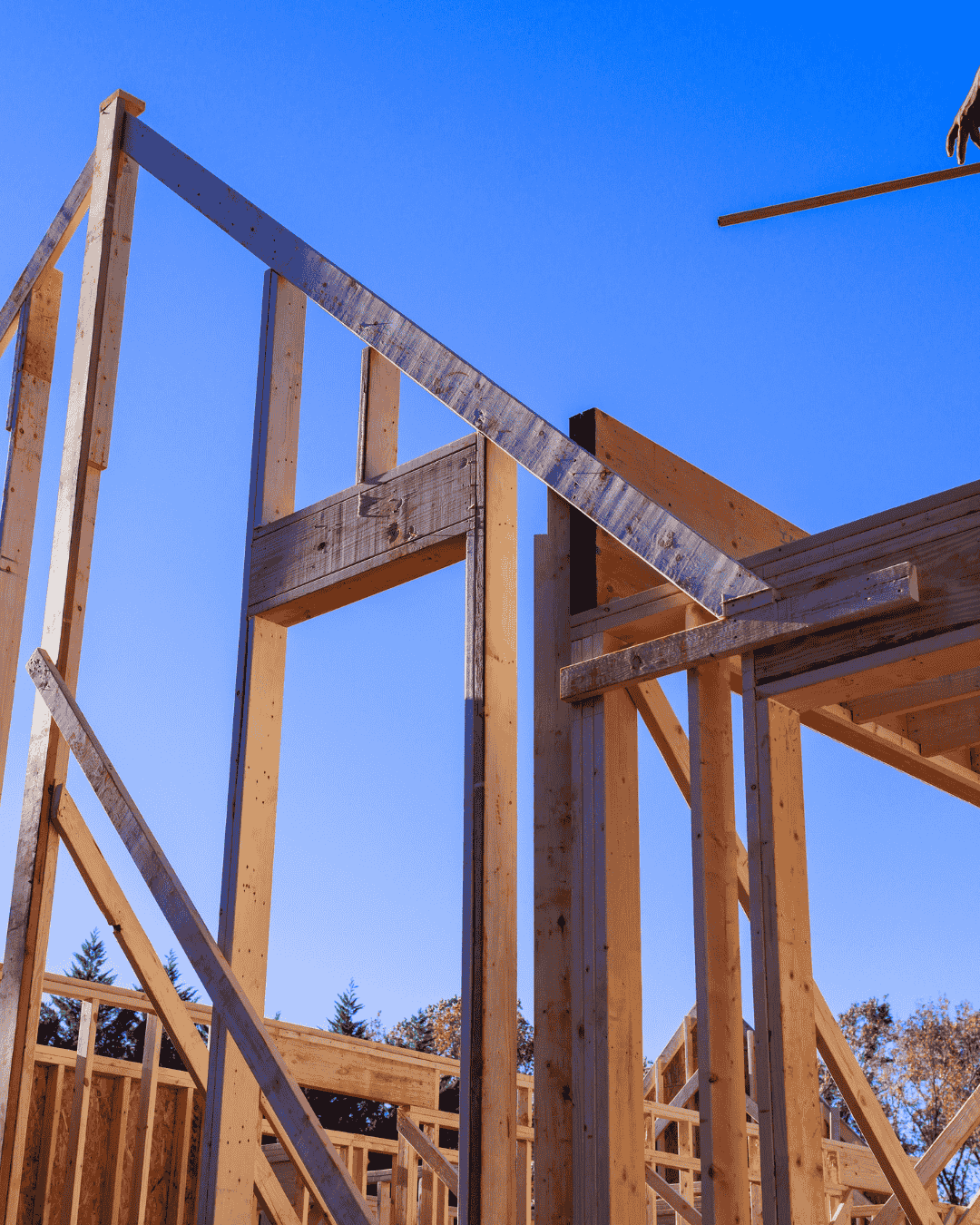
A pre-slab inspection (also known as a slab or pre-pour inspection) is carried out after site preparation and reinforcement are complete, but before concrete is poured.
At this stage, all critical structural elements — including formwork, reinforcement, and plumbing — are fully visible and can be assessed before they are permanently concealed beneath the slab.
This inspection verifies that the foundation of your home has been prepared correctly and is compliant with relevant standards. Because these components are covered by concrete and cannot be accessed once poured, this is one of the most critical inspections in the entire construction process.
Once the concrete is poured:
A pre-slab inspection ensures your home is built on a solid, compliant foundation — giving you confidence that what lies beneath is structurally sound before construction continues.
Our inspectors assess all accessible components before the pour, including:
Every inspection is supported by a clear, detailed report with photographic evidence, giving you the confidence to proceed — or the leverage to have issues rectified before the concrete is poured.
A pre-slab inspection involves a detailed assessment of all structural and service elements before concrete is poured, ensuring everything has been installed correctly and is ready for the next stage of construction.
Errors at slab stage can lead to cracking, movement, uneven floors, and long-term structural issues—especially in Melbourne’s reactive clay soils.
Fixing slab defects after construction can involve major disruption, engineering costs, or legal disputes.
Ensures compliance with:
- Approved engineering drawings
- Council-approved plans
- AS 2870 – Residential Slabs and Footings
- NCC / Building Code requirements
You’ll know your home is built on a solid, compliant foundation—before it’s locked in permanently.
A pre-slab inspection should be booked after site preparation, formwork, reinforcement, and plumbing have been completed — but before concrete is poured.
This is a critical window in the construction process, as it’s your only opportunity to inspect what will become the foundation of your home.
We recommend booking your inspection as soon as your builder confirms the slab is ready for pour. This ensures:
Once the concrete is poured:
Booking at the right time gives you maximum control — ensuring everything beneath your slab is correct before construction moves forward.
At the pre-slab stage, the foundation of your home is fully exposed — making it the only opportunity to identify defects before they are permanently locked in by concrete.
Our inspections regularly uncover issues that, if missed, can lead to structural problems, drainage issues, and costly repairs down the track.
Uneven ground, incorrect excavation depth, or poor compaction can affect slab performance, leading to movement, cracking, and long-term structural issues.
Missing reinforcement, incorrect spacing, or insufficient coverage can weaken the slab and compromise structural integrity.
Incorrect slab dimensions, misaligned formwork, or poorly constructed edge beams can impact the overall structure and layout of the home.
Under-slab plumbing that is incorrectly positioned, poorly supported, or not aligned with plans can lead to costly rework or future drainage problems.
Improper site grading or lack of drainage provisions can result in water pooling around or beneath the slab, increasing the risk of moisture damage.
Deviations from approved structural or engineering drawings, including missing elements or incorrect installation, can lead to compliance issues and future defects.
Identifying these issues before the concrete is poured gives you the opportunity to have them rectified by the builder — avoiding permanent defects and ensuring your home is built on a solid, compliant foundation.

Not all pre-slab inspections deliver the same level of scrutiny or independence. At this stage of construction, critical structural elements are about to be permanently concealed, making accuracy and attention to detail essential. When the slab is poured, there’s no second chance.
Homeowners building across Melbourne’s north-eastern suburbs choose us for pre-slab inspections because we offer:
Fully licensed and insured inspectors with extensive experience in slab, footing, and early-stage construction inspections
Independent, unbiased assessments — we work for you, not the builder, developer, or site supervisor
Prompt reporting, allowing issues to be identified and rectified before the concrete pour proceeds
Clear, practical recommendations, not just technical observations — we explain what issues mean and how they should be corrected before work continues
Strong local knowledge, with hands-on experience across Doncaster, Templestowe, Doreen, Diamond Creek, Eltham, Greensborough, Bundoora, Macleod, Montmorency, Heidelberg, Rosanna, Ivanhoe, and surrounding suburbs
We’re committed to professionalism, transparency, and helping you move forward with confidence—knowing your slab has been independently assessed before it’s permanently set in place.




We use a non-destructive moisture meter to detect elevated moisture levels within walls, floors, ceilings and other building materials without causing damage. This professional-grade tool measures moisture at both surface and deeper levels, allowing us to identify hidden dampness, water ingress and moisture-related defects that may not be visible during a visual inspection. It is particularly effective for locating rising damp, roof leaks, subfloor moisture and areas at risk of timber decay — common issues in many Melbourne properties built on reactive clay soils.

Our inspections also utilise a thermal imaging camera to identify temperature variations that can indicate underlying building issues. Thermal imaging allows us to detect problems such as moisture intrusion, insulation gaps, overheating electrical components and areas of heat loss — all without invasive testing. By highlighting hot and cold spots within building elements, thermal imaging helps pinpoint concealed defects quickly and accurately, providing valuable insight into issues that may otherwise go unnoticed during a standard visual inspection.
A pre-slab inspection is an independent inspection conducted after site preparation, reinforcement, and plumbing are completed, but before concrete is poured. It checks that all structural elements beneath the slab have been constructed in accordance with approved plans, engineering drawings, and Australian Standards.
A pre-slab inspection should be booked once the slab preparation is complete and before the concrete pour is scheduled. Because slab pours are often booked with little notice, it’s best to arrange your inspection early to avoid delays.
Once concrete is poured, slab components such as reinforcement and under-slab plumbing are permanently concealed. A pre-slab inspection helps identify issues early, reducing the risk of structural defects, slab movement, cracking, or costly rectification later.
A pre-slab inspection typically includes checks of:
Site preparation and footing dimensions
Steel reinforcement placement and coverage
Under-slab plumbing and penetrations
Formwork, set-out, and slab edge beams
Compliance with engineering drawings and AS 2870 – Residential Slabs and Footings
Pre-slab inspections are not legally required for private builds, but they are strongly recommended. Mandatory inspections conducted by surveyors focus on compliance at a minimum level and may not identify workmanship issues or deviations from plans.
No. A building surveyor’s inspection is a compliance check, not a detailed quality or workmanship assessment. A pre-slab inspection provides an independent, client-focused review to identify issues before they are permanently covered.
In most cases, no. Inspections are completed promptly, and reports are issued quickly so any required corrections can be addressed before the scheduled pour. Identifying issues early often prevents far greater delays later in the build.
If issues are identified, they can usually be rectified before the concrete pour. You’ll receive a clear report outlining the findings, which can be provided to your builder to address prior to proceeding.
Before concrete is poured, make sure your slab and footings meet Australian building standards. A pre-slab inspection provides early-stage compliance checks, identifies hidden structural issues, and gives you confidence that your new home is being built on a solid foundation from the very beginning.