Open homes are designed to present a property in its best light. Styled interiors, fresh paint, and arranged furniture can make even problematic homes appear flawless. However, while buyers focus on layout and finishes, they may overlook serious structural warning signs.
Knowing what to look for, and what is often concealed, can help you avoid costly surprises after settlement.
Cracks That Indicate Movement, Not Just Cosmetic Wear
Hairline cracks are normal in most homes, but certain types of cracking may indicate structural movement.
Red flags include:
- Step-shaped cracks in brickwork
- Cracks wider than 3–5mm
- Cracks running through multiple surfaces
- Gaps appearing around windows or doors
These may signal foundation movement, reactive soil issues, or settlement, which are all common in Melbourne’s clay-based ground conditions.
Doors and Windows That Don’t Operate Properly
During open inspections, buyers rarely test every door or window. However, sticking or misaligned joinery can indicate structural movement.
Watch for:
- Doors that don’t latch or swing open by themselves
- Windows that jam or feel distorted
- Uneven gaps around frames
These issues often reflect movement in the building’s frame, not just aging hardware.
Uneven or Sloping Floors
Furniture and rugs can conceal floor irregularities. Subtle slopes may indicate:
- Failing timber stumps in older homes
- Subfloor moisture damage
- Foundation settlement
- Inadequate structural support
Over time, these problems can worsen and may require costly restumping or structural repairs.
Roof Space Problems Buyers Rarely See
Roof cavities are rarely accessible during open homes, yet they can reveal critical structural information.
Potential hidden issues include:
- Damaged or altered roof framing
- Evidence of leaks or long-term moisture
- Poor structural modifications from renovations
- Inadequate bracing or support
Without proper inspection access, these problems remain hidden from buyers.
Poor Drainage Leading to Structural Impact
External drainage is often overlooked during brief inspections, but it plays a major role in structural performance.
Signs of concern:
- Water is pooling near the home.
- Downpipes are discharging at the foundations.
- Soil erosion or garden beds built against walls
- No visible fall away from the structure
Poor drainage can cause foundation movement, moisture problems, and long-term instability.
Renovations That Haven’t Been Done Properly
Modern cosmetic upgrades can conceal structural shortcuts. Fresh plaster or paint may hide:
- Removed load-bearing walls
- Poorly installed beams
- Inadequate support for extensions
- DIY alterations without proper engineering
These issues are especially common in quick renovations intended to prepare a property for sale.
Subfloor Issues That Remain Completely Hidden
In many homes, particularly weatherboard or older brick veneer properties, structural integrity depends heavily on the condition beneath the floor.
Problems may include:
- Rotting timbers
- Inadequate ventilation causing moisture damage.
- Termite activity weakening structural members.
- Failing supports or piers
These areas are rarely visible without professional inspection.
Why Buyers Often Miss These Issues
Open homes are brief, crowded, and visually focused. Buyers are encouraged to imagine living in the space rather than assess its structural condition.
Common reasons defects go unnoticed include:
- Limited time to properly inspect
- Inaccessible areas like roof voids and subfloors
- Cosmetic presentation masking defects
- Lack of technical knowledge to interpret warning signs
- Assumptions that newer renovations mean fewer problems
Structural issues discovered after purchase can result in significant repair costs and stress.
The Value of a Professional Pre-Purchase Inspection
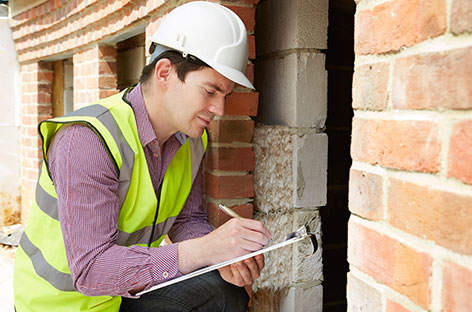
A qualified building inspector evaluates what buyers cannot see or may not know to look for.
Professional inspections:
- Access concealed areas safely
- Identify structural warning signs early.
- Distinguish cosmetic flaws from serious defects.
- Provide clear, evidence-based reporting.
- Help buyers make informed decisions before committing.
This insight can be the difference between a confident purchase and an expensive mistake.
Final Thoughts
Regardless of a property’s age or appearance, professional inspections provide the clarity buyers need to make confident decisions. A thorough inspection not only identifies defects but also gives you negotiating power, protects your investment, and ensures there are no surprises after settlement.
Book Your Inspection with Elevate Building Inspections
Before committing to any property, schedule a professional inspection with Elevate Building Inspections to receive expert, reliable insight.
We identify the structural issues most buyers miss, so you can move forward with confidence.
We identify the structural issues most buyers miss, so you can move forward with confidence.