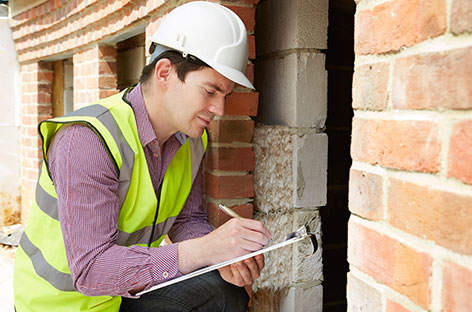
Buying a property is one of the biggest financial decisions you’ll make — and a Building and Pest Inspection Report is designed to give you a clear understanding of what you’re actually purchasing beyond the surface appearance.
Many homes can look flawless during an open inspection, but hidden structural issues, moisture problems, or pest activity may only be identified through a professional assessment. A comprehensive inspection report helps buyers make informed decisions, avoid unexpected costs, and negotiate confidently.
A Visual Overview of the Property’s Condition
Your report begins with a summary of the property’s overall condition, outlining whether the home is in good, serviceable, or poor condition based on visible findings at the time of inspection.
Inspectors assess all safely accessible areas, including:
- Exterior walls and structure
- Roof exterior and roof void (where accessible)
- Subfloor and foundations
- Interior rooms and ceilings
- Windows, doors, and joinery
- Garages, sheds, and outbuildings
- Site drainage and surrounding areas
This provides a holistic snapshot of the home’s structural performance.
Identification of Major Structural Defects
One of the most critical sections highlights major defects — issues that may affect safety, stability, or long-term performance.
These can include:
- Foundation movement or subsidence
- Significant cracking in walls or brickwork
- Roof frame damage or sagging
- Moisture ingress affecting structural elements
- Faulty load-bearing components
Major defects don’t always mean you should walk away — but they do mean you need to understand repair implications before proceeding.
Minor Defects and Maintenance Issues
Every property, even newer homes, will show minor defects or general wear and tear. These are typically maintenance-related rather than structural concerns.
Examples include:
- Worn sealants or grout
- Minor plaster cracking
- Aging roofing components
- Sticking doors or windows
- Timber weathering or paint deterioration
While less urgent, these items help buyers anticipate ongoing maintenance costs.
Timber Pest Inspection Findings
The pest component focuses on detecting timber pest activity, particularly termites, which are a major risk across Melbourne and Victoria.
The report outlines:
- Evidence of active termites (if present)
- Past termite damage
- Conditions conducive to infestation (moisture, poor ventilation, timber contact with soil)
- Risk areas requiring monitoring or treatment
Even if no live pests are found, identifying risk factors early can prevent future infestations.
Moisture, Drainage and Ventilation Concerns
Moisture is one of the most common causes of hidden damage in residential properties. Your inspection will assess:
- Inadequate drainage around the home
- Rising damp or subfloor moisture
- Poor ventilation in the roof or subfloor spaces
- Bathroom and wet-area waterproofing risks
Unchecked moisture can lead to structural deterioration, mould growth, and pest attraction — making this section particularly important.
Safety Hazards Identified
Inspection reports also flag visible safety concerns that may require attention, such as:
- Trip hazards or unstable structures
- Deteriorated handrails or balustrades
- Damaged roofing elements
- Electrical risks observed visually (note: not a full electrical inspection)
These insights help ensure the property is safe for occupancy and compliant with expected standards.
Photographic Evidence and Clear Explanations
A professional report includes detailed photographs and plain-language explanations so buyers can easily understand each finding.
Rather than technical jargon, the goal is to provide:
- Clear descriptions of issues
- Visual confirmation of defects
- Practical recommendations for repair or further investigation
- Priority levels to help guide decision-making
This makes it easier to discuss findings with agents, builders, or specialists if needed.
Recommendations for Further Assessment
If inspectors identify areas requiring specialised review, the report may recommend additional assessments such as:
- Structural engineering advice
- Plumbing or electrical inspections
- Waterproofing evaluation
- Pest treatment programs
These recommendations ensure buyers don’t inherit hidden risks without understanding the next steps.
Why a Building and Pest Inspection Report Matters
A thorough inspection report isn’t just a checklist — it’s a risk-management tool for property buyers.
It allows you to:
- Understand the true condition of the home.
- Avoid unexpected repair costs.
- Budget for maintenance and upgrades
- Make confident purchasing decisions.
- Strengthen your negotiating position.
Without this insight, buyers may unknowingly take on costly structural or pest-related issues.
Final Thoughts
No matter the property’s age or appearance, professional inspections provide the clarity buyers need to make confident decisions. A thorough inspection doesn’t just identify defects — it gives you negotiating power, protects your investment, and ensures there are no surprises after settlement.
Book Your Inspection with Elevate Building Inspections
Before committing to any property, book a professional inspection with Elevate Building Inspections and get expert insight you can trust.
We deliver clear, detailed reports that help you understand exactly what you’re buying — so you can move forward with confidence.
We deliver clear, detailed reports that help you understand exactly what you’re buying — so you can move forward with confidence.