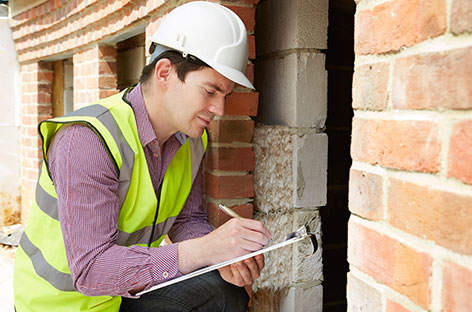
If you’re buying a property, a pre-purchase building inspection report is one of the most important documents you’ll get. It gives you an independent, detailed look at the property’s condition so you can make a confident, informed choice before you sign anything.
A lot of buyers think inspections only look for obvious problems, but a professional report does much more. It checks the structure, safety risks, maintenance needs, and hidden issues that could be expensive to fix if overlooked.
What Is a Pre-Purchase Inspection Report?
A pre-purchase inspection report is a written document from a qualified building inspector after they carefully check the property in person. The report explains the building’s condition, points out any defects, highlights safety concerns, and suggests what actions or repairs are needed.
Its purpose is simple:
It helps protect buyers from unexpected costs, safety risks, or bad investments.
It helps protect buyers from unexpected costs, safety risks, or bad investments.
Key Sections Included in a Professional Inspection Report
A thorough inspection report usually looks at many parts of the property, inside and outside.
1. Structural Condition
Inspectors check the main structural parts of the property, such as
- The footings
- Walls and load-bearing structures
- Roof framing and supports
- Subfloor areas
They look for things like movement, cracks, sinking, or stress in the structure that could mean serious problems.
2. Exterior Assessment
The outside of a property can show hidden problems. Inspectors look at:
- Roofing condition and drainage
- Gutters and downpipes
- External walls and cladding
- Windows and doors
- Driveways and paths
Things like damage, weathering, poor drainage, or bad materials can mean you’ll have repair costs later.
3. Interior Inspection
Inside, inspectors check things you can see, like:
- Ceilings and wall finishes
- Floors and levelness
- Doors and windows
- Signs of moisture or mould
- Ventilation and insulation visibility
This part of the report points out problems that could affect how comfortable, safe, or valuable the property is.
4. Roof Space and Subfloor Areas
Where accessible, inspectors check hidden spaces that buyers rarely see:
- Roof cavity structure
- Insulation condition
- Signs of leaks or water damage
- Timber condition
- Ventilation
These spaces can show early warning signs of big problems.
5. Safety Hazards
Professional reports point out risks that could affect people living in the property, such as:
- Electrical concerns (visible only)
- Trip hazards
- Structural instability
- Moisture damage risks
- Potential asbestos
Finding hazards early helps buyers plan for safety upgrades when making their decision.r decision.
6. Defects and Maintenance Issues
Reports clearly list defects and often sort them by how serious they are:
- Major defects – require urgent attention.
- Minor defects – maintenance items
- Preventative maintenance – recommended actions
Sorting defects this way helps buyers see which issues are most important.
7. Photographic Evidence
Most professional reports have photos that show:
- Defects
- Areas of concern
- Structural issues
- Damage locations
Photos give clear proof and help buyers see exactly what the problems are.
8. Inspector’s Summary and Recommendations
At the end of the report, you’ll usually see:
- A summary of key findings
- Severity ratings
- Repair recommendations
- Advice on further specialist inspections if required
This part is especially helpful when you’re negotiating or deciding what to do next.
What a Pre-Purchase Inspection Does NOT Cover
It’s also important to know what standard inspections don’t cover unless you ask for them:
- Internal plumbing testing
- Electrical system certification
- Pest inspections (unless combined service)
- Engineering reports
- Soil testing
If you have concerns, you can arrange specialist inspections separately.
How Buyers Use Inspection Reports
A pre-purchase inspection report isn’t just for information. It’s also a powerful tool for negotiation and managing risks. Buyers often use these reports to:
- Negotiate the purchase price.
- Request repairs before settlement
- Decide whether to proceed.
- Budget for maintenance
- Avoid problematic properties
Without a report, buyers might end up with a property that has hidden problems or expensive repairs.
Why Professional Reports Matter
Not all inspection reports are the same. A good report should be:
- Detailed yet easy to understand
- Supported by photographs
- Written in clear language
- Structured logically
- Prepared by a qualified inspector
When you choose an experienced inspection company, you get reliable information you can trust for big financial decisions.
Final Thoughts
A pre-purchase inspection report is far more than a checklist — it’s a comprehensive property assessment that gives buyers clarity, confidence, and negotiating power. Knowing exactly what’s included helps you understand the true condition of a property before committing.
When you pay for a professional inspection, you’re not just getting a report. You’re protecting your future investment.
Buying property in Melbourne?
Book a professional pre-purchase inspection with Elevate Building Inspections and get a detailed report that gives you the confidence to move forward or the proof you need to negotiate.