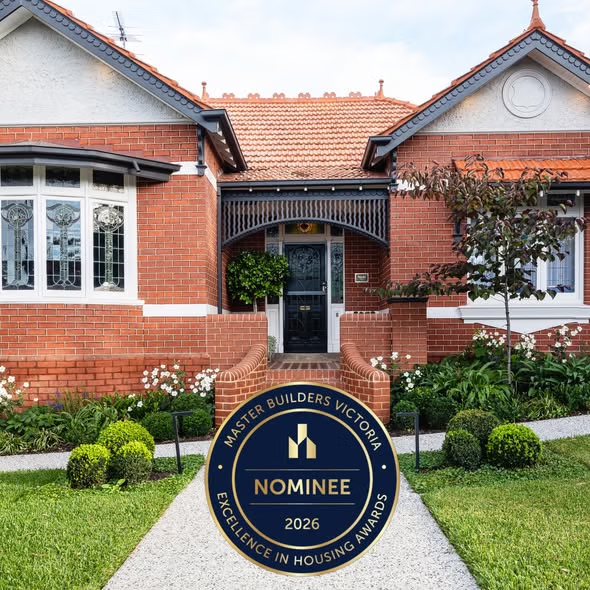
Melbourne’s inner north is renowned for its beautiful character homes, with suburbs such as Ivanhoe, Alphington, Eaglemont, Fairfield and Kew offering some of the city’s most sought-after period properties. From elegant Victorian and Edwardian homes to charming Californian Bungalows and distinctive mid-century designs, these homes continue to attract buyers seeking architectural character, established streetscapes and generous block sizes.
While older homes often provide unique charm that is difficult to replicate in modern construction, they can also conceal significant defects that may not be apparent during a standard open inspection. Many issues develop gradually over decades and can remain hidden behind walls, beneath floors or within roof spaces. Understanding the true condition of an older property before purchase is essential to avoid unexpected repair costs and future headaches.
Why Older Homes Require Specialist Building Inspections:
Older homes present a unique set of challenges that differ significantly from modern residential properties. A specialist pre-purchase building inspection can help identify concerns that may not be obvious to prospective buyers, including:
Age-Related Deterioration
Building materials naturally deteriorate over time. Timber elements can decay, roofing materials can wear out, and masonry can show signs of movement after many decades of wear and tear.
Previous Renovations and Extensions
Many homes throughout Ivanhoe, Alphington and surrounding suburbs have undergone multiple renovations and extensions over the years. While improvements can add value, they can also introduce defects if work was not completed to an appropriate standard.
Changes in Building Standards
Building regulations and construction practices have evolved considerably over the past century. Older homes may not meet modern expectations for structural performance, waterproofing, insulation or ventilation.
Ongoing Maintenance Requirements
Character homes often require more frequent maintenance than newer properties. Buyers should understand the likely future maintenance commitments before purchasing.
Heritage Considerations
Many period homes are located within heritage overlays or heritage-sensitive areas. These controls can influence future renovations, extensions and alterations, making it important to understand any limitations before proceeding with a purchase.
Structural Movement & Cracking:
Structural movement is one of the most common concerns identified during building inspections throughout Melbourne’s inner north. This is because many Melbourne suburbs are built on reactive clay soils, which naturally expand and contract with changes in moisture levels. This movement can place stress on building foundations over time.
Older homes may experience settlement as foundations gradually shift or adapt to changing ground conditions. Some settlement is expected in older properties, but excessive movement may indicate more significant concerns.
Common signs of movement can include:
- Cracking in brickwork
- Internal wall cracks
- Uneven or sloping floors
- Doors that stick or fail to close properly
- Windows that become difficult to operate
Not all cracking indicates a serious structural problem. Minor hairline cracks may result from normal building movement and seasonal changes. However, wider cracks, progressive movement or cracking associated with distortion of walls and openings may warrant further investigation. A professional building inspection can help distinguish between cosmetic defects and potential structural concerns.
Timber Stumps, Subfloors & Moisture Issues:
Many older homes in Ivanhoe, Alphington and surrounding suburbs were constructed on timber stump foundations with accessible subfloor areas. Over time, timber stumps can deteriorate due to age, moisture exposure or pest activity. As stumps weaken, floors may become uneven and structural support can be compromised.
Inadequate subfloor ventilation can allow moisture to accumulate beneath the home. Poor airflow increases the likelihood of timber decay and mould growth.
Excessive moisture beneath a property can contribute to:
- Timber rot
- Fungal decay
- Mould growth
- Deterioration of structural timber members
Subfloor environments with elevated moisture levels can also create favourable conditions for termite activity. Evidence of termite damage is not always visible to buyers during routine inspections and may only be identified through a thorough building assessment.
Many of these issues remain concealed beneath the property and can easily go unnoticed until significant damage has occurred.
Roofing, Gutters & Drainage Problems:
Roofing and drainage systems play a critical role in protecting older homes from water damage. Many period homes retain original or ageing roof coverings that may have reached the end of their service life.
Common issues include:
- Deteriorated tiled roofs
- Rusting metal roof sheets
- Cracked or displaced roofing materials
- Age-related wear and deterioration
Roof flashings around chimneys, valleys, skylights and roof penetrations can also deteriorate over time, allowing water ingress into the roof space and internal structure. Even minor roof leaks can result in substantial damage if left unresolved. Water ingress can affect ceilings, wall linings, insulation and structural timbers.
Poor site drainage and defective stormwater systems can direct water towards foundations, contributing to movement, moisture problems and long-term structural concerns.
Water-related defects are among the most expensive building issues to rectify and often become progressively worse if not identified early.
Renovations, Extensions & Compliance Concerns:
Many homes throughout Melbourne’s inner north have been modified over several decades. Properties often contain a mixture of original construction and more recent additions, and the quality of these works can vary significantly.
Unapproved or owner-completed renovations may not meet accepted building standards and can introduce safety or performance concerns.
Building inspections frequently identify poor workmanship issues such as:
- Inadequate waterproofing
- Poorly executed structural modifications
- Defective finishes
- Incomplete building works
Walls may have been removed, openings enlarged or layouts modified without appropriate consideration of structural requirements. Identifying visible concerns before purchase allows buyers to better understand potential rectification costs and future risks.
Asbestos in Older Melbourne Homes:
Asbestos-containing materials remain common in many older Melbourne properties and should be carefully considered before any future renovation works.
Common locations include:
- Eaves and Soffits: Asbestos cement sheeting was frequently used in external eaves and soffit linings.
- Garages and Outbuildings: Older garages and sheds commonly contain asbestos wall and roof sheeting.
- Fencing: Many older properties still retain asbestos cement fencing panels.
- Wet Areas: Bathrooms, laundries and kitchens may contain asbestos-backed wall linings and flooring materials.
- External Cladding: Some homes feature asbestos cement cladding products that were widely used throughout the mid-20th century.
While asbestos materials are often considered low risk when left undisturbed and in good condition, buyers should be aware of their presence before undertaking renovations, demolition or maintenance works.
Common Issues We Find During Building Inspections in Ivanhoe & Alphington:
During pre-purchase building inspections throughout Ivanhoe, Alphington and surrounding suburbs, some of the most common defects our inspectors at Elevate have identified include:
- Structural and cosmetic cracking
- Excessive subfloor moisture
- Inadequate site drainage
- Ageing and deteriorated roofing systems
- Rotting timber elements
- Evidence of termite damage
- Non-compliant renovations and extensions
While not every property will exhibit these concerns, they are frequently encountered in older homes throughout Melbourne’s established suburbs. A professional, licensed building inspection can ensure you are informed of any defects before committing to a purchase.
Why a Pre-Purchase Building Inspection is Essential:
Purchasing a heritage or period home represents a significant financial commitment. A professional pre-purchase building inspection provides valuable information that can assist buyers in making confident decisions.
An inspection provides a clearer understanding of the building’s overall condition and highlights areas requiring attention. It can also help to identify future maintenance or repair costs, helping buyers budget more accurately for ownership costs.
Building inspections help reduce the likelihood of unexpected surprises after settlement, and significant defects identified before purchase may even provide leverage during price negotiations or contract discussions.
Ultimately, buyers gain the information needed to make an informed decision on whether a property remains suitable for their needs, budget and long-term plans.
Conclusion:
Older homes throughout Ivanhoe, Alphington, Eaglemont, Fairfield and Melbourne’s inner north offer timeless character, unique architectural features and strong long-term appeal. When properly maintained, these properties can be outstanding homes and valuable investments.
However, the age and complexity of period properties can also conceal costly defects that are not immediately visible during an open inspection. Arranging a professional pre-purchase building inspection before committing to a purchase can help identify potential issues, clarify future maintenance requirements and provide the information needed to make an informed decision.
If you are considering purchasing an older home in Ivanhoe, Alphington, Eaglemont, Fairfield or surrounding suburbs, book a comprehensive pre-purchase building inspection with Elevate Inspections today and make your next move with confidence.