


Waterproofing is one of the most critical—and most commonly defective—stages of residential construction. When waterproofing fails, it can lead to water ingress, mould growth, structural damage, and costly repairs that often aren’t discovered until it’s too late.
A professional Waterproofing Inspection ensures wet areas in your home are waterproofed correctly and in accordance with Australian Standards before they are concealed by tiles, screeds, or finishes. At Elevate Building Inspections, we provide independent waterproofing inspections across Melbourne, helping homeowners catch issues early and protect their investment.
We service Melbourne’s north-eastern suburbs, including Doncaster, Templestowe, Doreen, Diamond Creek, Eltham, Greensborough, Bundoora, Macleod, Montmorency, Heidelberg, Rosanna, Epping, Ivanhoe, Reservoir, Croydon, and surrounding areas.ccc
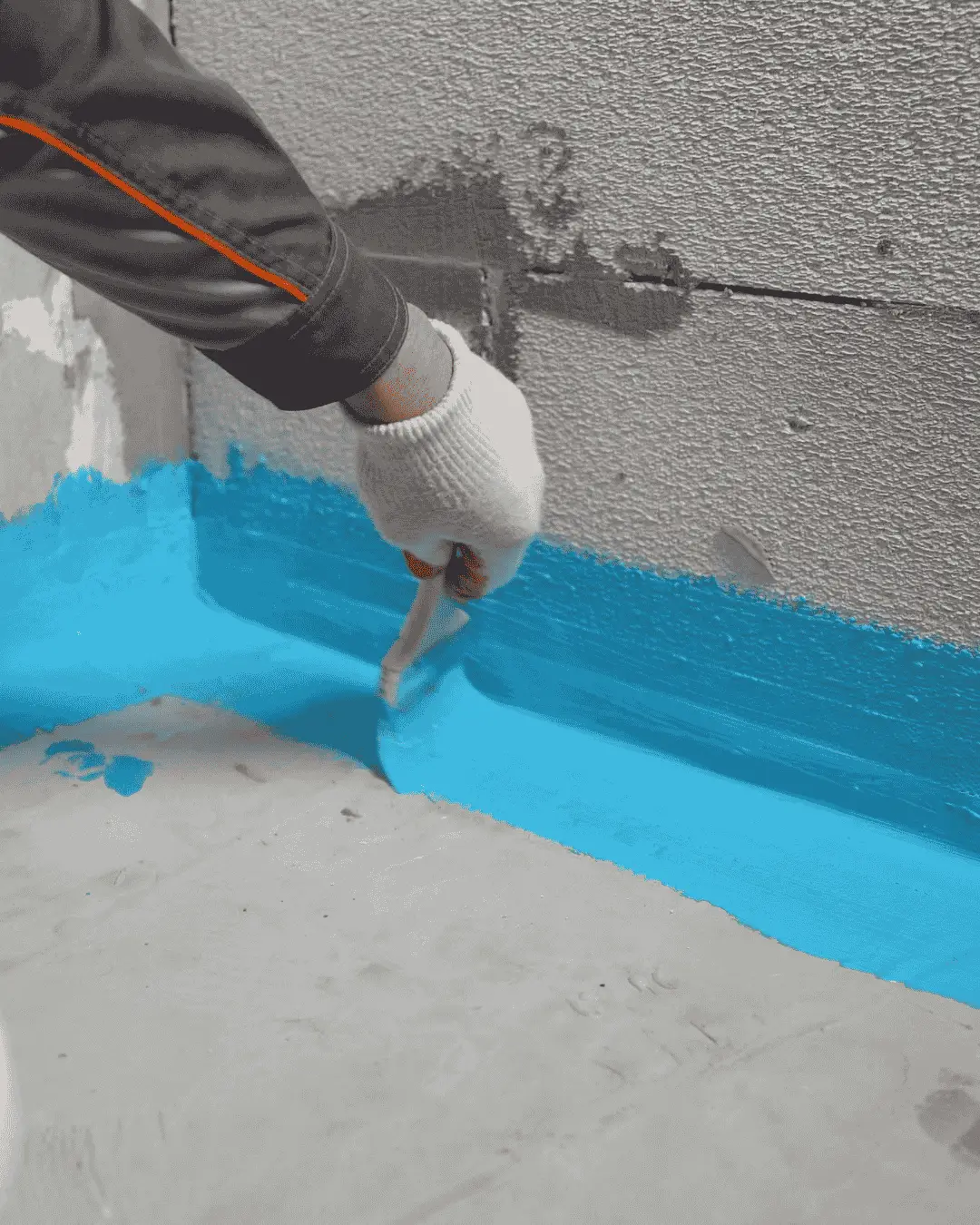
A waterproofing inspection is a detailed assessment of waterproof membranes and installation practices in wet areas such as bathrooms, laundries, balconies, and showers.
Inspections are typically carried out:
Before tiling (preferred and most effective), or
After tiling if water ingress or defects are suspected
The goal is to confirm compliance with:
AS 3740 – Waterproofing of Domestic Wet Areas
NCC / Building Code requirements
Approved building plans and specifications
Waterproof membrane coverage and continuity
Shower bases, hobless showers, and floor gradients
Wall upturns, penetrations, and junctions
Shower screens and floor waste detailing
Membrane installation to floors and walls
Penetrations for plumbing and fixtures
Floor waste placement and sealing
Balcony membranes and drainage
Door thresholds and waterproofing returns
Edge detailing and overflow provisions
Installation method and workmanship quality
Adherence to AS 3740 requirements
Photo documentation of defects and concerns
Our inspections assess all accessible waterproofing components.
Waterproofing defects are a leading cause of building disputes and insurance claims. Early detection prevents moisture penetration into walls, floors, and structural elements.
Poor waterproofing allows moisture to build up behind walls and tiles, creating ideal conditions for mould growth.
Once wet areas are tiled, fixing waterproofing defects often requires demolition. Identifying issues early can save thousands.
Ensures waterproofing is installed to Australian Standards—not just “good enough” workmanship.
The best time for a waterproofing inspection is after the membrane has been installed but before tiles or finishes are applied. This allows defects to be rectified easily and cost-effectively.
We also carry out inspections:
During new home construction
For renovations and bathroom upgrades
When water leaks or moisture issues are suspected
Even in new builds, waterproofing inspections frequently uncover:
Incomplete or inconsistent membrane coverage
Missing wall upturns or corner detailing
Poor sealing around penetrations
Incorrect falls to floor wastes
Non-compliant balcony waterproofing
These issues are far easier to address before tiling than after damage occurs.
Not all waterproofing inspections deliver the same level of scrutiny or independence. At this stage of construction, critical waterproof membranes are about to be concealed behind tiles, screeds, or finishes—making accuracy and attention to detail essential. Once waterproofing is covered, defects can remain hidden until costly damage occurs.
Homeowners and renovators across Melbourne’s north-eastern suburbs choose us for waterproofing inspections because we offer:
Fully licensed and insured inspectors with extensive experience in residential waterproofing, wet areas, and balcony inspections
Independent, unbiased assessments — we work for you, not the builder, waterproofing contractor, or developer
Prompt reporting, allowing issues to be identified and rectified before tiling or finishes proceed
Clear, practical recommendations, not just technical observations — we explain what defects mean and how they should be rectified to meet Australian Standards
Strong local knowledge, with hands-on experience across Doncaster, Templestowe, Doreen, Diamond Creek, Eltham, Greensborough, Bundoora, Macleod, Montmorency, Heidelberg, Rosanna, Ivanhoe, and surrounding suburbs
We’re committed to professionalism, transparency, and giving you confidence to move forward—knowing your waterproofing has been independently assessed before it’s permanently concealed.

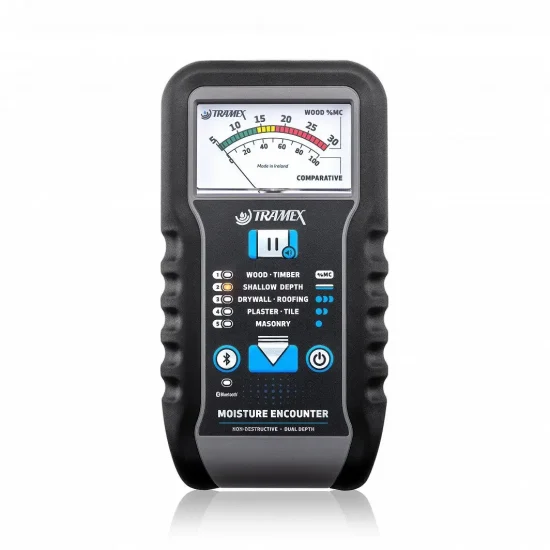
We use a non-destructive moisture meter to detect elevated moisture levels within walls, floors, ceilings and other building materials without causing damage. This professional-grade tool measures moisture at both surface and deeper levels, allowing us to identify hidden dampness, water ingress and moisture-related defects that may not be visible during a visual inspection. It is particularly effective for locating rising damp, roof leaks, subfloor moisture and areas at risk of timber decay — common issues in many Melbourne properties built on reactive clay soils.
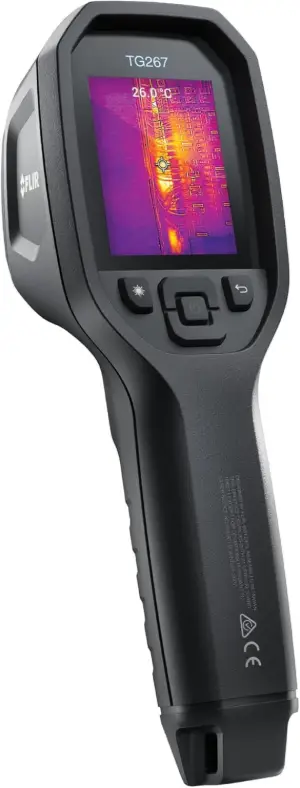
Our inspections also utilise a thermal imaging camera to identify temperature variations that can indicate underlying building issues. Thermal imaging allows us to detect problems such as moisture intrusion, insulation gaps, overheating electrical components and areas of heat loss — all without invasive testing. By highlighting hot and cold spots within building elements, thermal imaging helps pinpoint concealed defects quickly and accurately, providing valuable insight into issues that may otherwise go unnoticed during a standard visual inspection.
No, but it is strongly recommended. Mandatory inspections focus on minimum compliance and may not identify workmanship defects.
They can—but rectification often requires tile removal and demolition, making early inspection far more cost-effective.
Yes. We inspect waterproofing for new homes, renovations, extensions, and remedial investigations.
Most inspections take 45–90 minutes, depending on the size and number of wet areas.
Don’t rely on waterproofing that you can’t see.
A professional Waterproofing Inspection helps ensure your wet areas are built correctly, compliant with Australian Standards, and protected from future water damage.