Secure Your Sale: Who Covers Melbourne’s Building Inspection and Why It Matters to You?
Buyers rarely cover surprise repair costs, and sellers close faster when the right inspection is commissioned. Typically, the buyer covers a pre-purchase building inspection, while sellers or vendors may commission pre-sale or vendor building inspection reports to ensure a smoother transaction.
Understanding the differences between these report types—and who pays for each—can help both buyers and sellers make informed decisions.
At Elevate Building Inspections, we provide pre-purchase, pre-sale, and vendor building inspection reports across Melbourne and the north-eastern suburbs. Below, we explain how each works and who typically pays.
Pre-Purchase Building Inspections: Paid by the Buyer
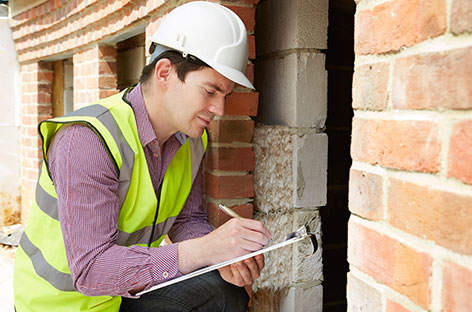
A pre-purchase building inspection is arranged by a buyer before committing to a property. In Melbourne, the buyer almost always:
- Organises the inspection
- Pays for the inspection
- Receives the inspection report
This is because the inspection is carried out for the buyer’s protection, helping them:
- Identify major defects
- Understand maintenance issues
- Avoid costly surprises
- Decide whether to proceed, renegotiate, or walk away, all while maintaining peace of mind and control over your budget.
The inspector’s duty of care is owed to the buyer who commissioned the report.
Pre-Sale Building Inspections: Paid by the Seller
A pre-sale building inspection is organised by the seller before the property goes on the market. In this case:
- The seller pays for the inspection.
- The report highlights existing issues early.
- Sellers can choose to fix issues or disclose them upfront.
Pre-sale inspections are becoming more common in Melbourne, particularly for:
- Auction campaigns
- High-value properties
- Older homes
- Competitive markets where transparency matters
A pre-sale inspection can help reduce surprises later in the transaction and improve buyer confidence. Undiscovered defects can significantly reduce offers by tens of thousands, underscoring the need for a thorough inspection to safeguard your property value and maintain a competitive edge in the market.
Vendor Building Reports: What Are They?
A vendor building report is another term often used for a pre-sale inspection. It is commissioned by the vendor (seller) and paid for by them. Vendor reports are often:
- Provided to prospective buyers during open inspections
- Used to demonstrate transparency
- Designed to speed up decision-making
However, buyers should understand that vendor reports are prepared for the seller, not the buyer.
Can Buyers Rely on Pre-Sale or Vendor Reports?
In most cases, buyers cannot legally rely on a pre-sale or vendor building report unless:
- The report is formally transferred to the buyer, or
- The inspector provides written permission extending reliance.
Without this, the inspector’s liability remains with the seller. For instance, if hidden termites are discovered after the sale, only the vendor may use this report to file a claim. This means buyers are not covered under the seller’s report.
For this reason, many Melbourne buyers still arrange their own independent pre-purchase inspection, even when a vendor report is available.
Why Buyers Still Order Their Own Building Inspections
Even when a vendor or pre-sale report is provided, buyers often want:
- An independent assessment
- A report written specifically for them
- Legal protection and duty of care
- Confidence that the inspection is unbiased
In competitive Melbourne markets, it’s common for buyers to review a vendor report first, then arrange their own inspection before making an offer. Inspection slots can fill up within 48 hours of a listing, so acting quickly helps ensure you secure a professional evaluation in time.
Who Pays for Building Inspections at Auctions?
Melbourne’s auction-driven market makes inspection timing especially important. For auctions:
- Buyers typically pay for pre-auction inspections.
- Sellers may also commission vendor reports to support the campaign.
- Buyers still arrange their own inspection if they want full protection.
Because auctions usually have no cooling-off period, inspections are a critical step for buyers.
Summary: Who Pays for Which Building Inspection?
Here’s a simple breakdown:
- Pre-purchase building inspection: Buyer pays
- Pre-sale building inspection: Seller pays
- Vendor building report: Seller pays
- Pre-auction inspection: Buyer pays
Each type of report serves a different purpose, depending on where you are in the buying or selling process.
Which Inspection Is Right for You?
- Buying a property?
A buyer-paid pre-purchase building inspection provides you with independent advice and legal protection. Imagine discovering a structural flaw, like a $30,000 roof replacement—what impact could that have on your financial plans? By investing in a comprehensive inspection, you can avoid such unexpected expenses and make informed decisions about proceeding with your purchase. - Selling a property?
A pre-sale or vendor building inspection can identify issues early and help your property stand out in Melbourne’s competitive market.
Final Thoughts
So, who pays for a building inspection in Melbourne?
Most of the time, buyers pay for pre-purchase inspections, while sellers pay for pre-sale or vendor reports.
Most of the time, buyers pay for pre-purchase inspections, while sellers pay for pre-sale or vendor reports.
If you’re buying or selling property across Melbourne or the north-eastern suburbs and need a professional, clear, and reliable building inspection, Elevate Building Inspections can help.
Contact us today to arrange a pre-purchase, pre-sale, or vendor building inspection in Melbourne.