If you’ve received a building inspection report and seen the words “Major Defect”, it’s understandable to be concerned.
Does it mean the property has serious structural problems? Will it be expensive to repair? Should you reconsider buying the home?
Not necessarily.
A major defect is a finding that requires greater attention than a routine maintenance item or minor defect. However, the term alone doesn’t tell you everything you need to know about the problem.
The location, cause, extent and potential consequences of the defect all matter. Your building inspection report should provide context around what was observed and, where appropriate, recommend further investigation by a suitably qualified professional.
Below, we explain what a major defect can mean on a building inspection report, examples of issues that may receive this classification and what Melbourne property buyers should consider next.
What Is a Major Defect on a Building Inspection Report?
A major defect generally refers to a significant problem with a building element that warrants particular attention because of its nature, extent or potential consequences.
Depending on the property and the issue identified, this could relate to problems involving:
- Structural movement
- Significant cracking
- Moisture or water ingress
- Deteriorated structural materials
- Roofing failures
- Subfloor problems
- Drainage-related deterioration
- Timber damage
- Other significant building defects
The important point is that “major defect” is a classification, not a complete diagnosis.
You need to read the inspector’s description of the finding to understand what was actually observed.
For a broader comparison of defect classifications, see our guide to Major Defect vs Minor Defect.
What Can Be Classified as a Major Defect?
There isn’t one particular type of problem that automatically represents every major defect.
The significance of a defect depends on the building, the affected component and the circumstances observed during the inspection.
Examples of findings that may warrant significant attention include:
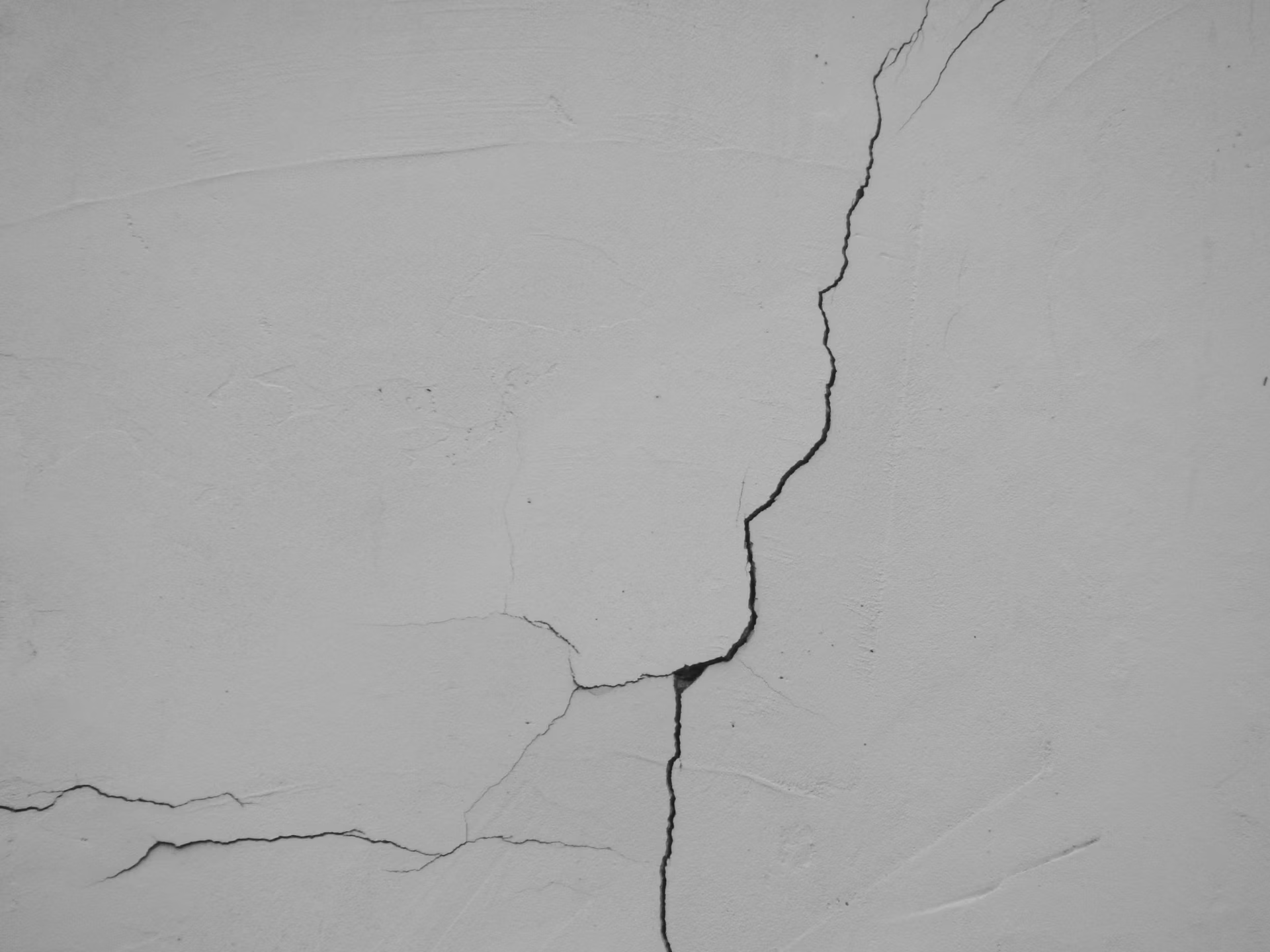
Significant Structural Cracking
Not every crack in a house indicates a serious structural problem.
Minor cracking can occur for numerous reasons, particularly in established homes.
However, significant cracking, displacement or other evidence of building movement may warrant closer investigation.
Where the cause or significance cannot be determined through a visual inspection, the inspector may recommend further assessment by an appropriately qualified professional, such as a structural engineer.
Active Water Leaks and Significant Moisture Damage
Water damage is particularly important because the visible evidence may only represent part of the problem.
For example, an inspector may identify damaged flooring and then find evidence of damp materials or an active leak within an accessible subfloor.
In this situation, the issue is no longer simply cosmetic damage to the flooring.
Further investigation may be required to determine:
- Where the water is coming from
- Whether the leak is still active
- How long materials may have been exposed to moisture
- Whether surrounding materials have deteriorated
- What repairs are required
Read our guide to Signs of Water Damage to Look for When Buying a House for some of the warning signs buyers may encounter.
Roof Defects and Water Ingress
Significant deterioration to roofing components may allow water to enter the building and affect other materials.
An inspector may identify issues involving roof coverings, flashings, gutters or other accessible roofing elements.
Water staining inside the roof space or around eaves may also warrant further investigation because the visible stain doesn’t necessarily identify the exact source of the water.
Subfloor Moisture or Deterioration
Where a property has an accessible subfloor, inspecting underneath the home can reveal issues that aren’t apparent from inside.
These may include:
- Damp timber
- Plumbing leaks
- Moisture beneath flooring
- Timber deterioration
- Poor drainage
- Inadequate ventilation
- Structural deterioration
- Conditions conducive to timber pest activity
This is why an inspection of accessible areas beneath the property can be particularly valuable when buying an established Melbourne home.
Significant Timber Damage
Timber deterioration can result from moisture, decay, timber pests or a combination of factors.
Where structural timber appears significantly affected, further investigation may be recommended to determine the extent of the damage and appropriate rectification.
A combined Building and Pest Inspection can also assess accessible areas for visible timber pest evidence and conditions that may increase timber pest risk.
Does a Major Defect Mean the House Is Structurally Unsafe?
Not automatically.
This is an important distinction.
Seeing “Major Defect” in a report doesn’t necessarily mean the entire house is structurally unsound or unsafe to occupy.
Similarly, a safety concern isn’t necessarily the same thing as a structural defect.
The classification tells you that the particular finding deserves attention. You then need to look at the description, location and recommendations associated with that finding.
For example, a report may recommend further investigation because a visual inspection has identified evidence of a problem but cannot establish its full cause or extent.
That’s very different from assuming the entire building has failed structurally.
Major Defect vs Minor Defect
One of the easiest ways to understand a major defect is to compare it with the smaller issues commonly identified during a building inspection.
An established Melbourne home will rarely be completely defect-free.
A report may identify relatively minor issues such as:
- Deteriorated sealant
- Minor cracking
- Weathered finishes
- Localised damage
- Loose or damaged fittings
- General maintenance requirements
- Minor deterioration associated with the age of the property
These findings are still useful because they help you understand the overall condition and maintenance requirements of the property.
A major defect, however, warrants greater attention because of the significance of the issue identified.
The number of defects isn’t necessarily as important as their nature.
A report containing 20 relatively minor maintenance items may present a very different situation from a report containing one significant defect requiring specialist investigation.
For a detailed comparison, read Major Defect vs Minor Defect.
What Does “Further Investigation Recommended” Mean?
You’ll often see recommendations for further investigation alongside more significant findings.
This doesn’t automatically mean the inspector believes the problem is catastrophic.
A pre-purchase building inspection is generally a visual, non-invasive inspection of safely and reasonably accessible areas.
There are limits to what can be determined without removing building materials, undertaking specialist testing or using expertise outside the scope of the inspection.
An inspector might be able to identify:
Visible moisture damage and damp building materials.
But determining exactly where a concealed plumbing leak originates may require a licensed plumber.
Similarly, an inspector might identify cracking that warrants attention, but determining the engineering cause of significant structural movement may require assessment by a structural engineer.
Depending on the finding, further investigation might be recommended by a:
- Licensed plumber
- Structural engineer
- Electrician
- Roofing contractor
- Drainage specialist
- Builder
- Waterproofing specialist
- Timber pest professional
- Other appropriately qualified specialist
Our guide to What Does “Further Investigation Recommended” Mean in a Building Inspection Report? explains this recommendation in more detail.
Why You Should Look Beyond the Major Defect Label
When reviewing a building inspection report, don’t stop at the words “Major Defect.”
Read the complete finding.
Consider:
What was actually observed?
Was it cracking, moisture, deterioration, movement or another issue?
Where is the defect located?
A finding affecting a structural building component may have different implications from deterioration to a non-structural element.
Does the inspector know the cause?
Sometimes the visible evidence clearly points towards a likely cause. In other situations, additional investigation is required.
Is the problem active?
An active plumbing leak or ongoing water ingress may continue causing deterioration until the source is addressed.
Could other areas be affected?
Visible damage can sometimes extend beyond the area that can be inspected.
Has further investigation been recommended?
Pay particular attention to recommendations involving appropriately qualified specialists.
These details give you far more useful information than the classification alone.
What If the Inspector Can’t See the Full Extent of the Defect?
This is common in residential building inspections.
Homes contain many concealed building elements.
An inspector generally can’t see behind:
- Finished wall linings
- Fixed cabinetry
- Floor coverings
- Tiled surfaces
- Insulation
- Ceilings
- Other finished building components
Access may also be restricted by stored belongings, furniture, low roof spaces, limited subfloor clearance or unsafe conditions.
This is why an inspection report should explain its access and inspection limitations.
If significant evidence is visible around an inaccessible area, the inspector may recommend further investigation.
For example, visible moisture damage around cabinetry may indicate a problem, but the complete extent of deterioration behind the cabinetry may not be visible during a standard non-invasive inspection.
What Should You Do If Your Report Identifies a Major Defect?
If you’re buying a property, don’t make your decision based solely on seeing the words “major defect”.
Instead, work through the finding methodically.
1. Read the Complete Finding
Review the photographs, comments and recommendations associated with the defect.
2. Speak With Your Building Inspector
If you don’t understand the significance of a finding, ask.
The inspector can explain what was visible at the time of inspection and why the item received that classification.
3. Follow Recommendations for Further Investigation
If the report recommends assessment by another professional, consider arranging that investigation before making significant decisions about the property where your contract and timing allow.
4. Understand the Likely Repair Requirements
A building inspection identifies visible defects but may not provide a detailed repair quotation.
Appropriately qualified trades or specialists can help you understand potential rectification requirements.
5. Discuss the Finding With Your Conveyancer or Legal Practitioner
If you’re purchasing the property, your legal options depend on your contract and individual circumstances.
Your conveyancer or legal practitioner can advise you about your contractual position and any relevant deadlines.
6. Consider the Property as a Whole
A major defect doesn’t automatically mean you shouldn’t buy the property.
Likewise, a long list of minor defects shouldn’t automatically be ignored.
The purpose of the report is to give you more information about the condition of the home so you can make your own informed decision.
For more on what happens after significant defects are identified, read What Happens If a Building Inspection Finds Major Defects?.
Can You Negotiate After a Major Defect Is Found?
A significant inspection finding may become relevant to discussions about a property purchase.
However, what you can actually do depends on factors such as your contract, the timing of the inspection and your individual circumstances.
The building inspector’s role is to document and explain the condition of the property — not to provide legal advice or determine what the seller must do.
If you’re considering renegotiating after an inspection, read our guide to Can You Negotiate Price After a Building Inspection? and obtain advice from your conveyancer or legal practitioner about your specific situation.
Does a Major Defect Mean You Shouldn’t Buy the Property?
No building inspection can make that decision for you.
Different buyers have different budgets, renovation plans and tolerances for repair work.
One buyer may be comfortable purchasing a property requiring substantial work because they’re planning a major renovation.
Another may specifically want a home requiring minimal immediate maintenance.
The inspection gives you information that can help you understand:
- What was visible at the property
- Which defects were identified
- Which findings warrant greater attention
- Whether specialist investigation has been recommended
- What maintenance may be required
- Which areas couldn’t be inspected
You can then combine that information with specialist advice, repair estimates, your budget and legal advice before deciding how to proceed.
What Does a Major Defect Look Like in a Real Building Inspection Report?
One of the best ways to understand these classifications is to look at an actual report format.
Elevate Building Inspections provides a Sample Building Inspection Report showing how findings are documented with photographs, observations, defect classifications and recommendations.
Within Elevate’s reporting system, findings may be classified as:
- OK — Serviceable
- MM — Maintenance / Monitor
- DEF — Defective
- MD / SI — Major Defect / Safety Concern
- NI — Not Inspected
- NP — Not Present
Rather than simply receiving a list of problems, you can see where findings were identified and the context provided by the inspector.
View the Sample Building Inspection Report →
Understanding Your Building Inspection Report
A building inspection report isn’t designed to give a property a simple pass or fail.
It’s designed to document the condition of the visible and accessible parts of the property at the time of inspection.
If a major defect is identified, focus on understanding:
- What the defect is
- Where it was found
- Why it warrants attention
- Whether the cause is known
- Whether the issue appears ongoing
- Whether further investigation is recommended
- What areas couldn’t be inspected
That gives you a much clearer picture than the words “major defect” alone.
You can also read our Building Inspection Report Explained guide for a broader explanation of the terminology and recommendations you may encounter in your report.
Book a Pre-Purchase Building Inspection in Melbourne
If you’re buying a home, understanding its condition before you commit can help you avoid walking into the purchase without knowing about significant visible defects.
Elevate Building Inspections provides Pre-Purchase Building Inspections in Melbourne with detailed photographic reporting of findings throughout the visible and safely accessible areas of the property.
Our team includes experienced building professionals who understand residential construction and can explain what has been identified in practical terms.
If you also want the property assessed for visible timber pest evidence and conditions that may increase timber pest risk, you can book a combined Building and Pest Inspection.
Buying a property in Melbourne? Book an inspection with Elevate Building Inspections and get a clearer understanding of the property before you buy.