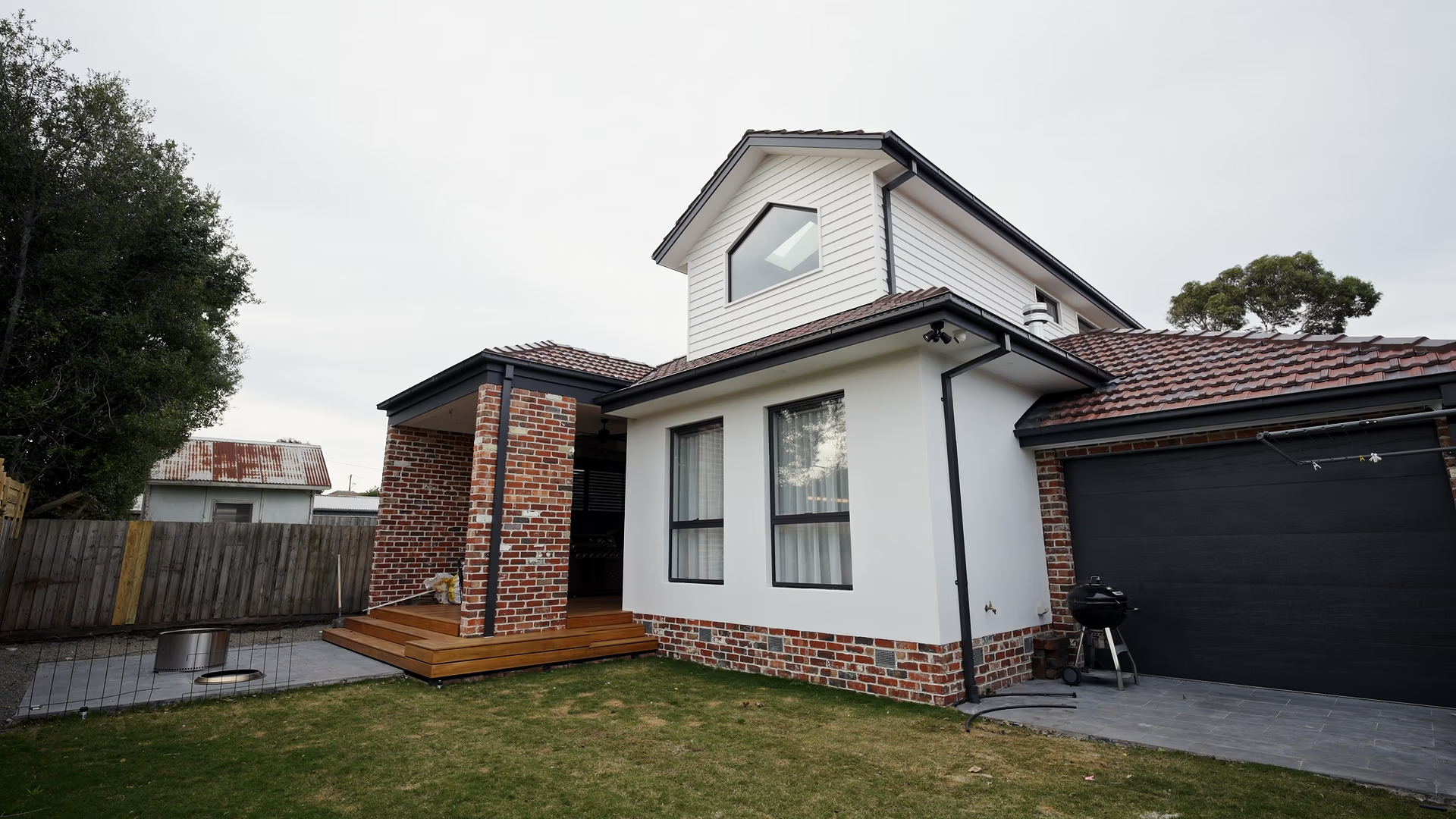
From Victorian terraces and Edwardian residences to California bungalows, Melbourne’s period homes are rich in history. Renovating one of these beautiful homes can strike the perfect balance between historic charm and modern living. Although it may seem like a great idea, one of the very first questions homeowners always ask is: how much will it actually cost?
The reality is, there is not a standard price for renovating a period home. Costs vary depending on the home’s condition, the scope of work, structural requirements, restoration needs, your choice of finishes, and whether the project includes an extension or a second-storey addition.
Understanding the many factors that can influence renovation costs will help you plan your project more effectively and avoid unexpected surprises along the way.
What Affects the Cost of Renovating a Period Home?
Existing Condition and Age
One of the biggest influences that affect renovation costs is the condition of the existing home.
Many older homes have ageing structures, deteriorated materials, outdated services or hidden defects that may only become apparent once your renovation work begins. The more repairs that may be required, the greater the impact on the overall budget.
Size of the Renovation
The scale of your project will naturally influence costs. Bigger renovation? Bigger costs.
A minor renovation that is focused on specific rooms is a very different budget compared to a whole-home transformation. Larger renovations or additions will generally require more labour, more materials and project coordination, therefore increasing costs.
Structural Changes
Whether it be removing walls, renovating to an open floor plan or altering load-bearing structures can increase complexity of a project.
When structural modifications are included in your plans, this will often require engineering input, additional support systems and compliance with current building regulations.
Restoring Original Features
One of the key attractions for homeowners is the diverse character a period home brings.
As these homes are historical in nature, restoring decorative plasterwork, fireplaces, stained glass windows, timber detailing and heritage features often involves specialist trades and craftsmanship that can add to renovation costs.
Kitchens and Bathrooms
Kitchens and bathrooms are typically among the most detailed areas of any renovation, especially in a period home.
When you are making changes to layout, custom joinery, stone surfaces, plumbing upgrades, fixtures and appliance selections can all influence the final budget.
Rear Extensions
A rear extension is a popular way to improve functionality and add value to your home, while maintaining the original character of the home.
Adding extensive living areas, kitchens or family spaces requires a whole new construction process and integration with the existing building, which naturally increase your financial outgoings.
Second-Storey Additions
Building upward can be an effective solution on smaller blocks where maintaining backyard space is a priority.
Due to the complex nature of this type of renovation, second-storey additions usually require significant structural upgrades and more complex construction plans than single-level extensions.
Level of Finishes
The quality of finishes and fixtures selected throughout the home plays a major role in renovation costs.
Whether it be custom joinery, premium materials and high-end fittings, these high quality choices will generally require a larger investment than standard selections.
Site Access
Many established Melbourne suburbs that occupy period homes can present access challenges for builders.
Narrow sites, restricted driveways, limited side access and densely populated streets can all have a large effect on construction logistics and labour requirements.
Heritage and Planning Requirements
Dependent on the area, some period homes are subject to Heritage Overlays or other planning controls.
Additional design considerations, approvals and specialist requirements can increase the complexity of a renovation project.
Why Can Period Homes Cost More to Renovate?
Renovating a period home often involves more steps than simply updating finishes or improving aesthetics.
Older properties like these homes can contain structural defects that include outdated wiring, ageing plumbing systems, structural deterioration and previous renovations that may not meet current standards. It is important to address these issues before any new works can proceed.
Period home renovations may also require specialist restoration techniques to preserve original architectural features. Successfully integrating modern additions with the existing home often demands a higher level of planning, craftsmanship and attention to detail.
Renovation vs Extension vs Second Storey
The nature of the project will greatly influence its complexity and associated costs.
Renovation
A renovation, whether it be a single room or multiple rooms, focuses on improving the existing home within its current condition. This may include reconfiguring layouts, upgrading services and restoring original features.
Rear Extension
A rear extension adds new living spaces to the back of the home while retaining the character of the original dwelling. This is one of the most popular approaches for Melbourne period homes.
Second-Storey Addition
A second-storey addition creates additional living space above the existing home. While it can maximise backyard space, it often involves greater structural complexity and engineering requirements.
Unexpected Costs When Renovating an Older Home
Even with clear and concise planning, like any renovation – older homes can present unforeseen challenges.
Common issues that can impact renovation budgets include:
Structural movement or foundation problems
Water damage and timber decay
Old plumbing systems
Outdated electrical wiring
Asbestos-containing materials
Drainage issues
Pest damage
Previous non-compliant building work
Roof repairs or replacement
By identifying potential problems early through inspections and investigations, this can help reduce the risk of unexpected costs during the construction stage.
How to Keep a Period Home Renovation Budget Under Control
Plan Early
A well-defined design brief and clear scope can significantly reduce expensive modifications later in the process.
Investigate the Existing Home
Thorough building inspections, engineering assessments and service investigations can uncover issues before construction begins – reducing the risk of costly surprises throughout the construction journey.
Prioritise Key Upgrades
Focusing on key areas that will deliver the greatest benefit to your lifestyle and long-term property value.
Finalise Selections Early
Choosing fixtures, materials and finishes in advance before construction starts can provide a much more accurate financial cost, helping to avoid delays and large budget variations.
Allow a Contingency
With any renovation, there will be times that things inevitability don’t go to plan. Including a contingency in your budget helps provide flexibility if unforeseen repairs are required.
Is It Better to Renovate or Knock Down and Rebuild?
The right approach for your project will depend on the condition of the home, your goals and the value of its existing character.
A knockdown rebuild can be a sensible choice when the existing structure has major problems or lacks architectural significance. However, many homeowners opt for renovation, as period homes showcase distinctive features and craftsmanship that are hard to replicate in new constructions.
For homes with strong character, heritage value or sentimental significance, renovation and extension can often provide the best of both worlds – retaining original architecture with a modern, functional use.
FAQs
Are period homes more expensive to renovate?
Depending on the complexity of your plans, they can be more expensive due to their historical nature. Older homes often require structural repairs, service upgrades and specialist restoration work that may not be necessary in newer properties.
How much does it cost to completely renovate an old house in Melbourne?
The total cost varies significantly depending on the home’s condition, the scope of work, structural requirements, and the quality of finishes you choose.
Can you extend a Victorian or Edwardian home?
Yes. Rear extensions and second-storey additions are common ways to increase living space while retaining the original character of Victorian and Edwardian homes.
Does a Heritage Overlay affect renovation costs?
Potentially. Heritage requirements can influence approvals, design outcomes, materials and construction methods, which may affect the scope and complexity of the project – therefore affecting budget.
Is it cheaper to renovate or knock down and rebuild?
Not always – The answer will depend on a number of factors including the condition of the home, planning requirements, site constraints and the value of retaining existing character features. It is recommended that a detailed assessment is performed to determine the best option for your home and plans.
Planning a Period Home Renovation in Melbourne
Renovating a period home requires careful planning, thoughtful design and an understanding of both heritage character and modern construction requirements.
At Elevate Building, we specialise in renovating, extending and transforming Melbourne’s established homes. Our highly trained team understands the complexities involved in working with older properties and creating contemporary spaces that respect the character of the original home.
Whether you’re planning a renovation, rear extension or second-storey addition, we can help bring your vision to life while preserving the features that make your period home unique and full of beauty.
Real Project Example: Carn Renovation & Extension by Elevate Building Group
Renovating an established Melbourne home requires careful planning, experienced workmanship and an understanding of how existing structures can be transformed to accommodate modern living.
Elevate Building Group’s Carn Renovation & Extension is an example of the team’s experience delivering substantial residential renovations and extensions.
Recognised as a 2026 Master Builders Victoria Award nominee, the Carn project highlights Elevate’s involvement in high-quality residential construction and complex home transformations.
Projects of this nature demonstrate why renovation costs need to be considered beyond individual rooms or finishes. Structural requirements, the integration of existing and new spaces, construction methods and architectural detailing can all influence the overall scope and budget.
For homeowners considering a period home renovation or extension in Melbourne, the Carn project offers a chance to see the workmanship and attention to detail Elevate brings to its residential projects.
Explore the Carn Renovation & Extension project to see more of Elevate Building Group’s completed work.