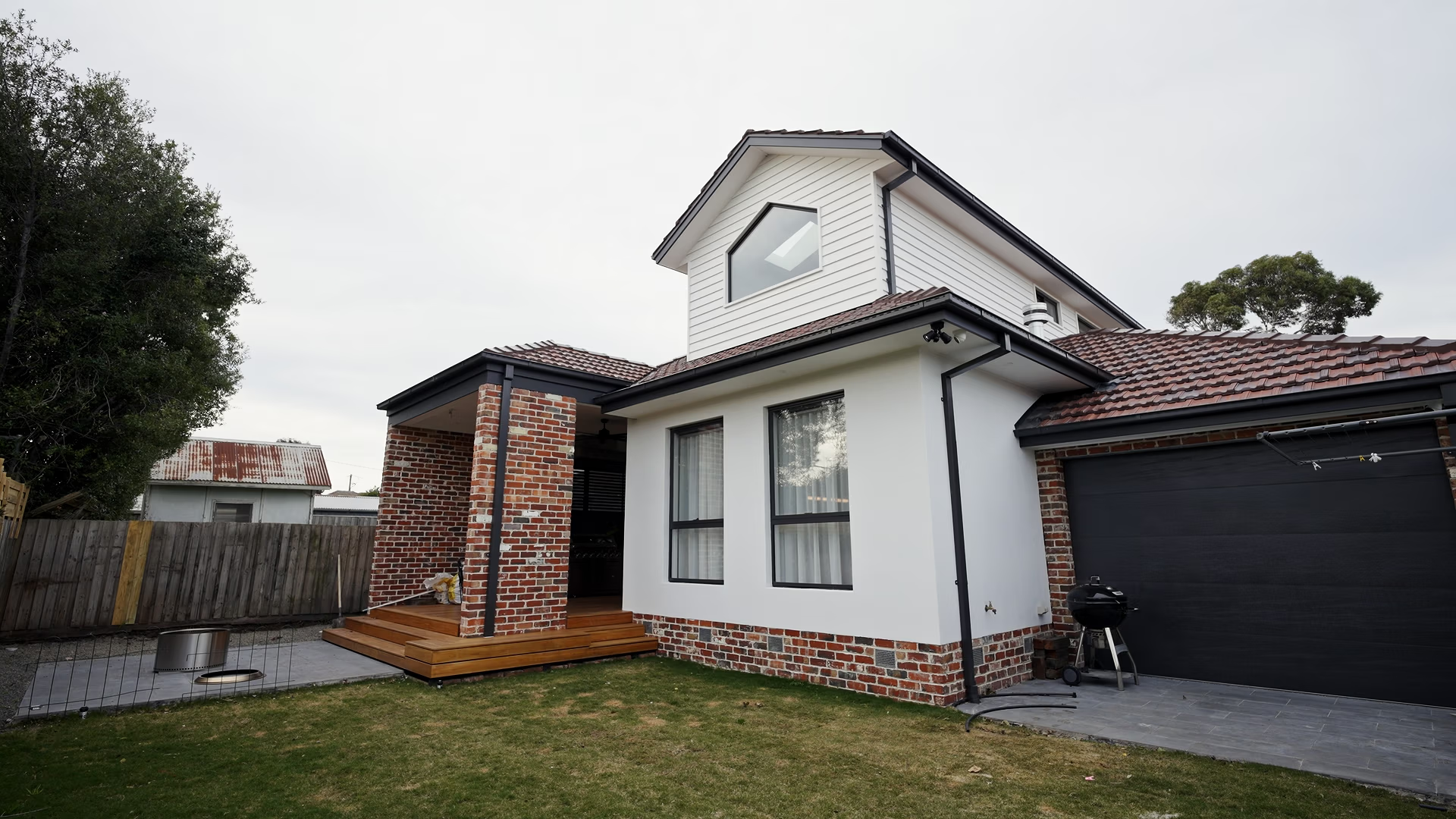
Planning a major home renovation is exciting, but there’s a lot more involved than choosing new flooring, updating your kitchen or picking out finishes.
Whether you’re looking to create more space for a growing family, improve the layout of an older home or completely transform your existing property, getting the planning right from the beginning can make a big difference to how smoothly your renovation runs.
Major home renovations often involve structural changes, design decisions, council requirements and coordinating multiple trades. Without a clear plan, it’s easy for costs to increase, timelines to stretch out and unexpected issues to arise.
If you’re considering a major home renovation in Melbourne, here are some important things to think about before construction begins.
1. Define What You Want to Achieve
Before getting caught up in floor plans and design inspiration, it’s worth taking some time to work out exactly what you want from your renovation. Think about how your home currently works for you and what you’d like to change.
Maybe your family has outgrown the existing space, your kitchen and living areas feel disconnected, or you’d love to open up the back of your home to create a larger entertaining area.
Some common reasons homeowners choose to renovate may include:
Creating additional bedrooms or living spaces
Improving the flow and functionality of the home
Modernising outdated kitchens and bathrooms
Adding an extension to accommodate a growing family
Bringing more natural light into existing spaces
Updating an older property while maintaining its original character
It’s also helpful to separate the things you really need from the features you’d simply love to have. Having clear priorities early on will make it easier to make decisions throughout the design and construction process, particularly when balancing your ideas with your budget.
2. Understand Your Existing Home
One of the biggest differences between building a new home and renovating an existing one is that you’re working with a structure that’s already there. Sometimes what you can’t see is just as important as what you can.
Before finalising your renovation plans, it’s important to understand the condition of your existing home, including its foundations, structural elements, roof, plumbing and electrical systems.
Older Melbourne homes in particular can come with their own challenges. Previous renovations, ageing materials, uneven floors or structural changes made over the years can all affect what’s possible. Depending on the property and proposed works, additional inspections or specialist assessments may be needed.
Identifying potential limitations early can help avoid costly changes once construction is underway.
3. Set a Realistic Renovation Budget
Budgeting is one of the most important parts of planning a major renovation, and it’s something worth discussing well before construction begins.
It’s easy to focus on the visible parts of a renovation, such as a new kitchen, bathroom or extension. However, there are plenty of other costs that need to be considered.
Your renovation budget may need to allow for:
Building and construction costs
Architectural or building design fees
Engineering and other professional assessments
Planning and building permits
Fixtures, fittings and finishes
Demolition and site preparation
Unexpected structural or building issues
Temporary accommodation if required
It’s also recommended to allow a contingency for unexpected costs, particularly when renovating an older home. While it’s tempting to have every feature on your wish list, understanding where your budget is best spent can help you make more informed decisions.
Speaking with an experienced renovation builder early in the process can also help you understand whether your proposed plans are realistic for your budget.
4. Develop the Design
Once you have a clear idea of what you want to achieve and how much you’re comfortable spending, it’s time to start developing the design.
Working with an architect or building designer can help you explore different layouts, improve the use of available space and create a design that suits both your home and lifestyle.
For major renovations, it’s important to consider how the new areas will connect with the existing structure. For example, you might want a modern open-plan extension, but you’ll also need to think about how it flows into the original home.
The best renovation designs aren’t necessarily the biggest or most expensive. They’re the ones that make the home more practical, comfortable and enjoyable to live in.
It’s worth remembering that designs may need to be adjusted along the way to accommodate structural requirements, site limitations or budget considerations.
5. Check Planning and Permit Requirements
Before construction can begin, you’ll need to understand which approvals apply to your renovation.
In Melbourne, major renovations and extensions will often require a building permit, while some projects may also require a planning permit from the local council.
These are two different approvals, and whether you need one or both will depend on your property and the work you’re proposing.
Planning requirements can be influenced by factors such as:
The size and location of your proposed extension
Property boundaries and setbacks
Building height and overlooking requirements
Heritage or neighbourhood character overlays
Other planning restrictions affecting the property
If you’re renovating a period home or a property within a heritage overlay, there may be additional considerations around preserving certain architectural features.
It’s important to check these requirements early, as approvals can affect both your design and project timeline.
A qualified building designer, architect or relevant building professional can help guide you through the requirements for your particular property.
6. Involve Your Builder Early
One of the most useful things you can do when planning a major renovation is to speak with a builder before your designs are completely finalised.
It’s not uncommon for homeowners to spend months developing detailed plans, only to discover that certain features are difficult to construct or don’t align with their intended budget.
Getting construction input early can help identify these issues before too much time and money has been invested.
An experienced renovation builder can provide practical insight into:
How proposed structural changes may be approached
Potential construction challenges
Materials and building methods
The likely sequence of construction
Budget considerations and possible alternatives
How new building works will connect with the existing home
This is particularly valuable for major extensions and renovations involving older properties, where existing conditions can influence how the project is built.
Having your designer and builder working towards the same outcome can make the transition from design to construction much smoother.
7. Finalise Selections Before Construction
Choosing finishes is often one of the most enjoyable parts of renovating, but leaving too many decisions until construction has started can create unnecessary delays.
Everything from your flooring and cabinetry to windows, appliances and bathroom fixtures can affect the overall cost and construction schedule.
Some selections also need to be made earlier than you might expect. For example, your kitchen layout and appliance choices may influence electrical and plumbing requirements, while window selections can affect framing and ordering timeframes.
Before construction begins, aim to have a clear understanding of your preferred:
Flooring and tiles
Kitchen and bathroom cabinetry
Benchtops and splashbacks
Appliances and tapware
Windows and external doors
Lighting and electrical fittings
Internal doors and hardware
Paint colours and other finishes
Not every small detail needs to be decided immediately, but having the major selections confirmed can help reduce last-minute changes.
It also gives your builder a clearer picture of the materials required and when they need to be ordered.
8. Prepare for Construction
Once the plans, approvals and major selections are in place, it’s time to prepare for the building work itself.
A major renovation can have a significant impact on your day-to-day routine, particularly if you’re planning to stay in the home while construction takes place.
Depending on the extent of the work, you may need to consider temporary accommodation, limited access to certain rooms or interruptions to essential services.
Before construction begins, it’s worth discussing a few practical details with your builder, including site access, working areas, safety requirements and how the project will be managed.
You should also have a clear understanding of how communication will work throughout the build and who to contact if you have questions.
Renovations can sometimes uncover unexpected issues once demolition begins, especially in older homes. While not every surprise can be avoided, having a clear process for discussing changes can make these situations easier to manage.
How Long Does a Major Home Renovation Take?
One of the most common questions homeowners ask is how long their renovation will take. The answer really depends on the size and complexity of the project.
A renovation involving a new kitchen and internal changes will have a very different timeline from a major structural renovation or a large extension.
Several factors can influence the overall timeframe, including:
The scope of the renovation
Design development and revisions
Planning and building approvals
Structural complexity
Availability of materials and selected finishes
Site access and existing building conditions
Weather and construction scheduling
It’s also important to remember that the construction period is only one part of the overall renovation process.
Design, documentation, engineering and approvals all take time before building work can begin.
Starting the planning process early gives you more flexibility and helps avoid rushing important decisions.
Choosing the Right Melbourne Renovation Builder
Choosing the right builder is an important decision, particularly when you’re making significant changes to your existing home.
Major renovations require a different approach to building a new home from scratch.
Your builder needs to understand how to work with existing structures, manage unexpected conditions and carefully integrate new construction with the original property.
When researching renovation builders in Melbourne, consider their experience with projects similar to yours.
It’s worth looking at previous renovation and extension work, asking questions about their process and understanding how they communicate with clients throughout construction.
A good working relationship is important too. You’ll likely be communicating with your builder regularly throughout the project, so you want to feel comfortable asking questions and discussing decisions along the way.
Taking the time to choose a builder who understands your goals, your property, and the complexities of major renovations can make a real difference to the overall experience.
Frequently Asked Questions
How far in advance should I start planning a renovation?
It’s best to start planning well before you’d like construction to begin. Major renovations can involve design work, engineering, permits, builder consultations and material selections, all of which take time.
Starting early gives you more flexibility and helps avoid rushing important decisions.
Do I need an architect for a major home renovation?
Not every renovation requires an architect, but major structural changes or extensions will generally need professional design and documentation.
Depending on your project, an architect or suitably qualified building designer may be able to assist with developing plans that meet your needs and relevant building requirements.
When should I speak to a builder?
Ideally, you should speak with a builder during the early design stages.
This allows you to get practical construction advice before your plans are finalised and can help identify potential issues with cost, structural requirements or buildability.
Can I live in my home during a major renovation?
Sometimes, yes. However, it depends on the extent of the work and whether essential areas of the home will remain safe and accessible.
Large structural renovations, major demolition or interruptions to plumbing and electrical services may make temporary accommodation a more practical option.
Do major renovations require a planning permit?
Not all major renovations require a planning permit, but many will require a building permit.
Planning permit requirements depend on the proposed works, the property’s location and any applicable planning controls or overlays.
It’s important to check with your local council or relevant building professional before proceeding.
How long does a major home renovation take?
Timelines vary depending on the size of the renovation, structural complexity, design requirements and approvals.
Major extensions and whole-home renovations generally involve more planning and construction time than smaller internal renovations.
Your builder can provide a more realistic timeframe once the project scope and plans have been reviewed.
Planning a Major Renovation With Elevate Building Group
A major home renovation is a big project, but with the right planning and the right team, it can completely change the way you live in your home.
At Elevate Building Group, we understand that renovating an established home involves more than simply adding new rooms or updating finishes.
It’s about making the most of your existing property while creating spaces that work for your lifestyle.
Whether you’re planning a major renovation, an extension or a complete home transformation in Melbourne, our team can help you explore the construction side of your project and understand the steps involved.
If you’re thinking about renovating, get in touch with Elevate Building Group to discuss your plans and take the next step towards transforming your home.