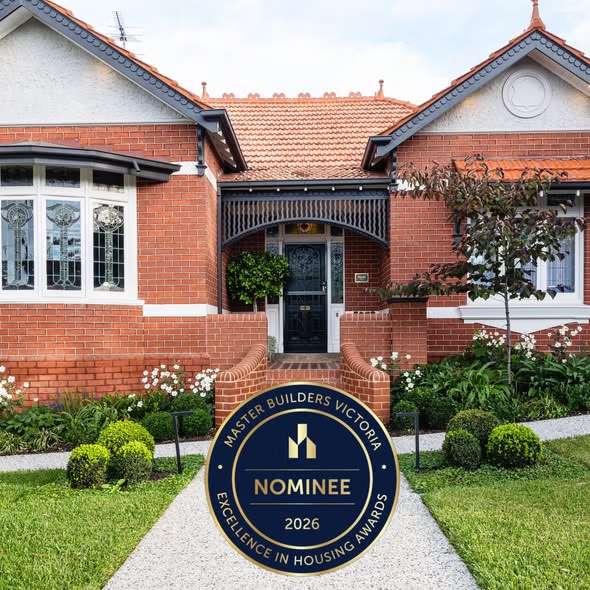
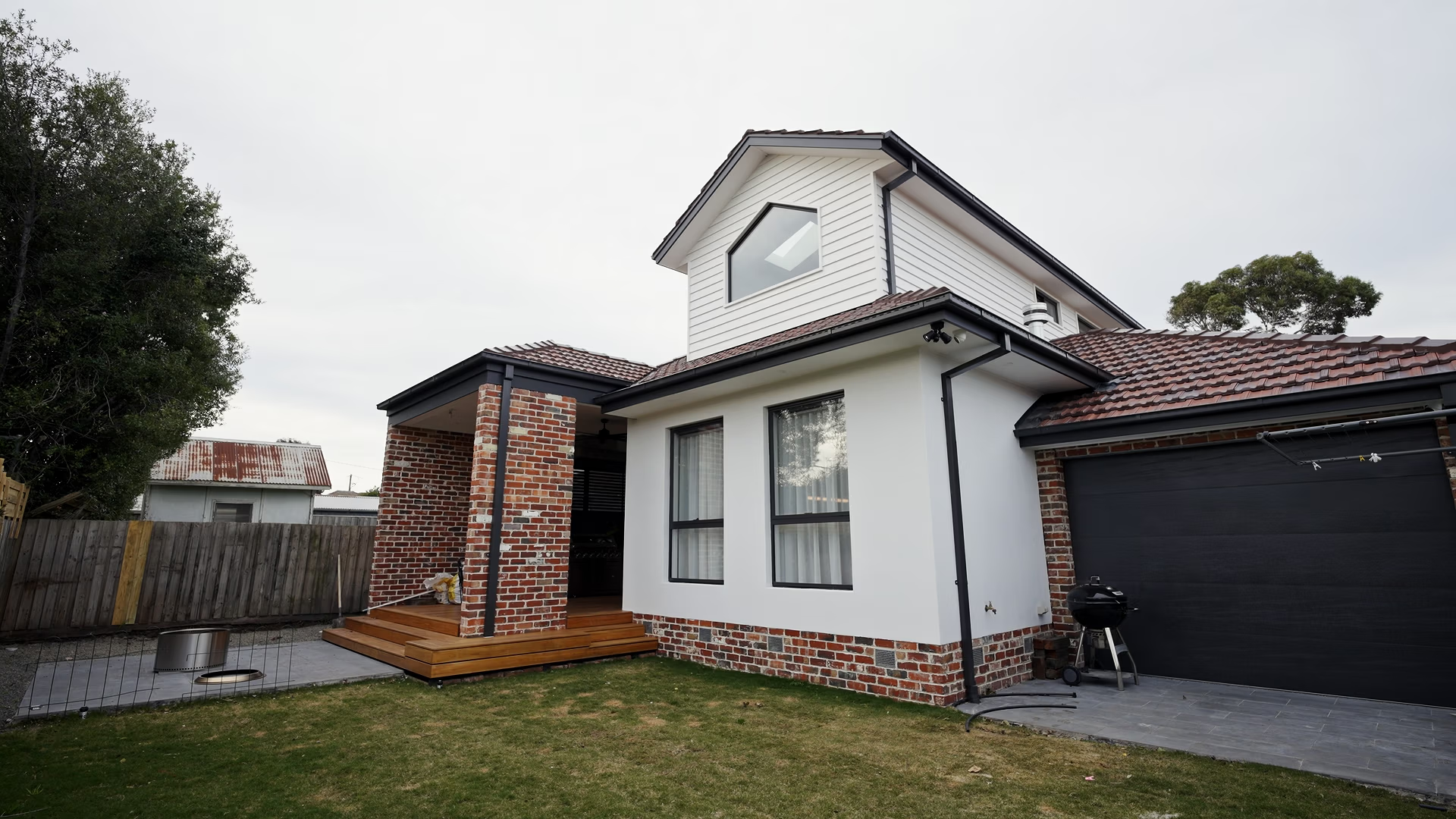
Melbourne is filled with established homes that offer enormous renovation potential. From Victorian and Edwardian properties with original architectural features to post-war homes with solid structures but outdated layouts, an older house can often be transformed into a home better suited to modern family life.
But renovating an older property involves more than replacing a kitchen, opening a few rooms and selecting new finishes.
Existing structure, previous alterations, ageing services, planning requirements and the condition of the building can all influence what is possible, how the renovation should be approached and the overall investment required.
If you’re considering a substantial home renovation in Melbourne, understanding these factors early can help you make better decisions before design and construction begin.
Why Renovate an Older Melbourne Home?
For many homeowners, location is one of the strongest reasons to renovate rather than move.
Melbourne’s established suburbs offer mature streetscapes, existing infrastructure, established gardens and homes on sites that may be difficult to replicate with a new development.
The house itself may also contain features worth retaining.
High ceilings, timber floors, fireplaces, decorative plasterwork and traditional façades can provide a strong foundation for a renovation combining existing character with contemporary spaces.
A well-planned renovation can also address shortcomings commonly found in older homes, including:
- Small or disconnected living spaces
- Kitchens separated from entertaining areas
- Limited natural light
- Poor connections to the backyard
- Insufficient storage
- Outdated bathrooms
- Inefficient heating and cooling
- Floorplans that no longer suit family life
Rather than removing everything that makes an existing house distinctive, the objective can be to retain what works while substantially improving what doesn’t.
For Victorian, Edwardian, Federation and other character properties, our guide to renovating a period home in Melbourne explores these considerations in more detail.
Understand the Existing Home First
Before deciding what the finished renovation should look like, understand what you’re starting with.
Older properties can contain construction methods, materials and previous alterations that aren’t immediately visible.
Early investigations may consider:
- Foundations and footings
- Subfloor condition
- Roof structure
- Existing framing
- Plumbing and drainage
- Electrical services
- Previous additions
- Moisture or drainage issues
- Site access
- Planning overlays
This doesn’t mean an older home will necessarily be difficult to renovate.
It means existing conditions should form part of the planning process rather than becoming an afterthought once construction begins.
Structural Changes Can Be More Complex
Many homeowners undertaking a whole-home renovation aren’t simply looking for new finishes.
They want to fundamentally change how the house works.
This can involve removing walls, relocating kitchens, creating larger openings to the backyard or reconfiguring the internal floorplan.
A major renovation might include:
- Removing or modifying load-bearing walls
- Installing structural beams
- Creating larger window and door openings
- Altering roof structures
- Reconfiguring rooms
- Connecting existing construction to an extension
- Adding another level
- Strengthening sections of the existing building
Structural alterations require appropriate design, engineering and construction planning.
The new design needs to work within the realities of the existing building rather than being considered in isolation.
Retaining Character While Modernising the Home
One of the biggest opportunities when renovating an older property is finding the right balance between preservation and change.
Not everything old necessarily needs to remain.
Previous additions may have little architectural value, while original features such as fireplaces, ceiling roses, timber floors, decorative cornices or traditional façades may contribute strongly to the home’s character.
For Victorian properties specifically, read our guide to modernising a Victorian home without losing its character.
A successful renovation can allow the original and contemporary parts of the property to complement one another without trying to make new construction appear old.
Check Heritage and Planning Controls Early
The appearance or age of a property doesn’t by itself tell you which planning controls apply.
Some established Melbourne properties are affected by heritage overlays or other planning controls that can influence demolition, external alterations and additions.
If you’re working with an older property, investigate these requirements before becoming committed to a design.
Our guide to heritage overlays vs heritage-listed homes explains some of the terminology homeowners may encounter and why property-specific investigation is important.
Renovation or Extension?
Sometimes the existing footprint provides enough space and the challenge is simply making better use of it.
In other cases, the family genuinely needs additional floor area.
A home extension can allow an older home to retain its strongest existing elements while introducing additional bedrooms, bathrooms or living areas.
Common approaches include a rear extension containing a new kitchen, dining and family area or a second level providing additional bedrooms and private spaces.
If you’re trying to understand the financial considerations involved, our guide to home extension costs in Melbourne explains the main factors that influence extension budgets.
Building Up or Building Out?
Where additional space is required, one of the next decisions is whether to extend at ground level or build upward.
Ground-floor extensions can create strong connections between living areas and the backyard but require sufficient available land.
A second-storey extension can preserve more outdoor space but introduces additional structural and planning considerations.
Our comparison of second-storey vs ground-floor extensions explores the differences in more detail.
What Affects the Cost of Renovating an Older Home?
There isn’t one figure that accurately represents the cost of renovating every older Melbourne property.
Two houses of similar size can require very different levels of work.
Factors can include:
- Existing building condition
- Size of the renovation
- Structural alterations
- Kitchens and bathrooms
- Plumbing and electrical upgrades
- Extensions
- Additional levels
- Site access
- Engineering
- Planning requirements
- Custom joinery
- Materials and finishes
- Landscaping
- Unforeseen existing conditions
This is why broad square-metre rates should only be treated as an early reference rather than a substitute for project-specific assessment.
Renovate, Extend or Rebuild?
There is also a point where homeowners should consider whether retaining the existing structure remains the best approach.
If substantial parts of the property require replacement and the desired outcome bears little relationship to the existing home, rebuilding may warrant consideration.
Our guide to renovating, extending or completing a knockdown rebuild compares the three approaches.
The right answer depends on the condition and significance of the existing house, your requirements, site, budget and long-term plans.
Planning an Older Home Renovation in Melbourne?
An older Melbourne home can provide an exceptional foundation for a new chapter, particularly when its existing character is combined with thoughtful design and quality construction.
The key is understanding what you’re starting with.
Existing conditions, structural requirements, planning considerations, design ambitions and budget should all be considered together.
Elevate Building Group works on substantial renovations, extensions and transformations of established homes across Melbourne.
By approaching the property as a whole, you can create a home that retains what made the original worth keeping while making it significantly better suited to the way you live today.